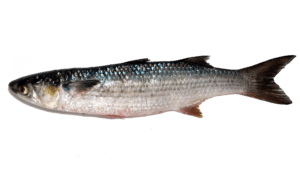
 Are you familiar with mullet? These underappreciated species often have a bad reputation, yet in terms of taste and price, they are a good alternative to whitefish like sea bass. For several years now, the Mr.Goodfish program has been encouraging consumers and partner chefs to try them and showcase their best qualities.
Today, more than 80 species of mullet have been identified worldwide, six of which are regularly caught along the Atlantic and Mediterranean coasts. They are characterized by a slender body covered in large scales: bluish-gray on the sides and brown on the back. To distinguish them, several physical characteristics can be observed: the upper lip, the eye sockets, or the spots on the body.
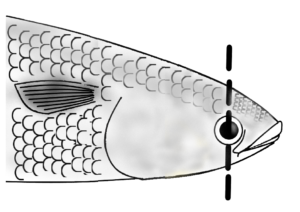
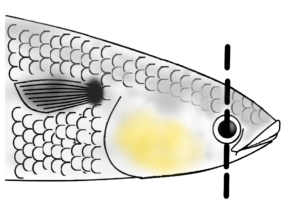
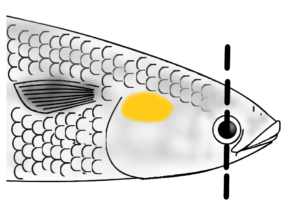
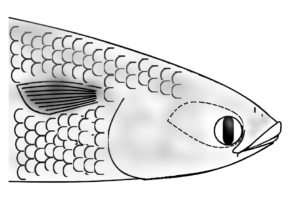
For commercial fishermen, identification is a recurring challenge, as all species are typically mixed together in the same crate. Depending on the region, certain mullet species are caught more frequently than others; for example, the lipped mullet (Chelon labrosus) and the golden mullet (Liza aurata) in the Mediterranean Sea.
From a nutritional standpoint, mullets are considered “semi-fatty” and are rich in omega-3. Also rich in vitamins and minerals, these species offer real culinary and health benefits. They’re worth discovering and sharing! Depending on the fishing area, their flesh can have a different taste; we prefer mullet caught in the open sea, which has a more delicate flavor. When it comes to cooking, mullet are incredibly versatile; they can be enjoyed in all forms: raw, baked, poached, or grilled on a wooden plank. A real flavor gem!
Did you know?
Biologically speaking, mullet are unique in that they can be found in all coastal waters: along the coast, in freshwater, or in estuaries. They can tolerate wide variations in salinity. Considered pelagic, most of these species live in schools and feed on microalgae, small crustaceans, and small invertebrates.