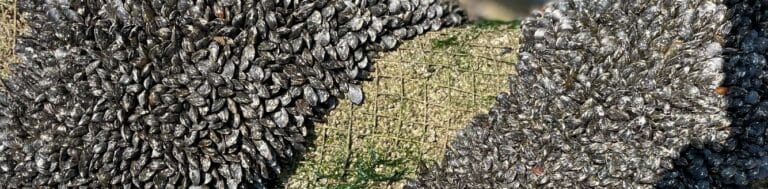
If you happened to be visiting the port of Lorient this summer, you may have had the chance to watch a tuna unloading. The albacore tuna fishing season is a tradition in this port city. Trawlers typically head out to the waters off the tip of Brittany, spending more than five days at sea. The season begins in early July and ends in late October.
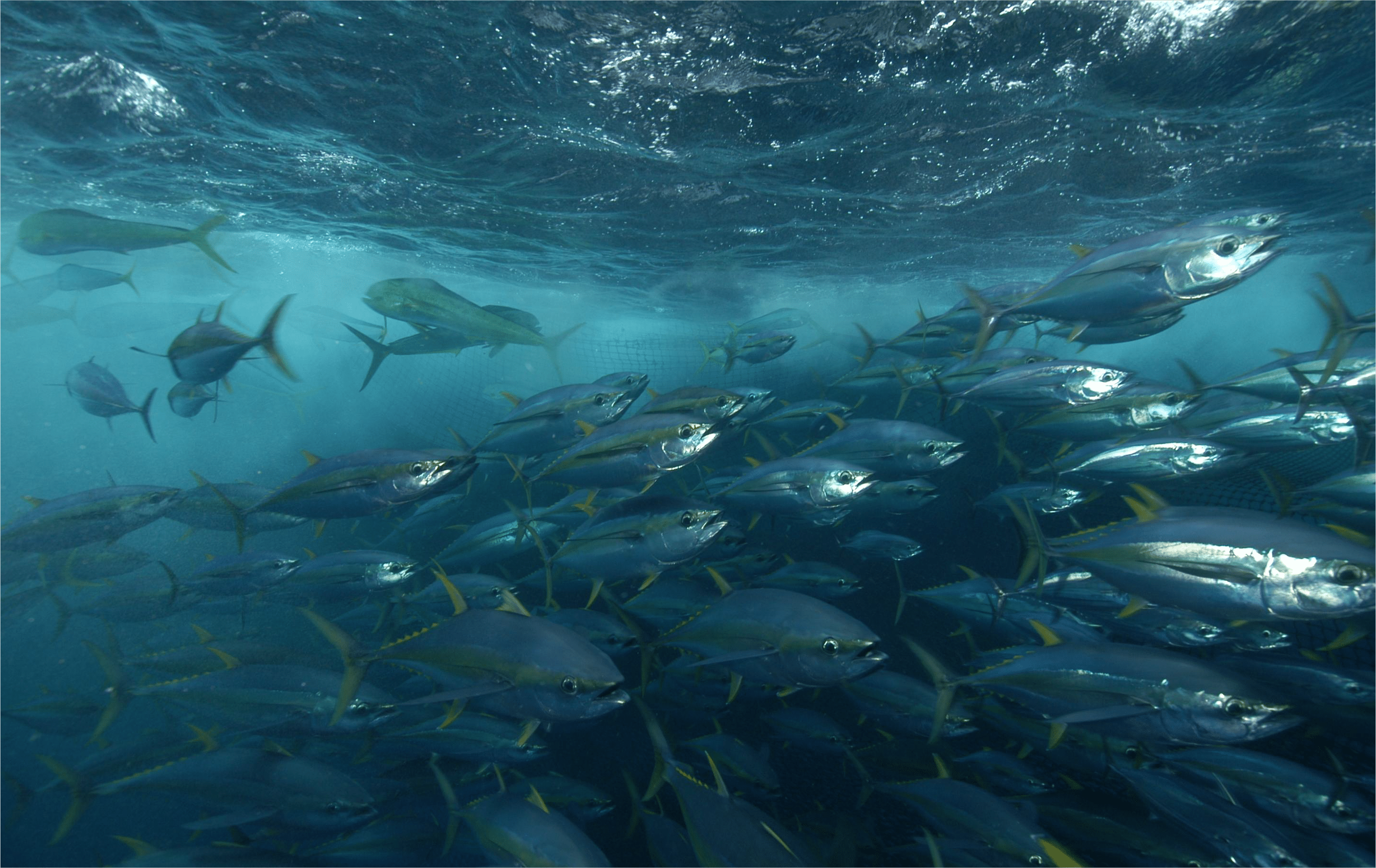
Tuna are a group of fish that includes tuna and other related species. Tuna are members of the Scombridae family and are migratory species that generally travel in schools.
There are several species of tuna; among the most common are: bluefin tuna (Thunnus thynnus), albacore tuna (Thunnus alalunga), bigeye tuna (Thunnus obesus), yellowfin tuna (Thunnus albacares), and striped and spotted bonito (Katsuwonus pelamis and Sarda sarda, respectively). Tuna are distinguished by various morphological criteria, some more distinctive than others.
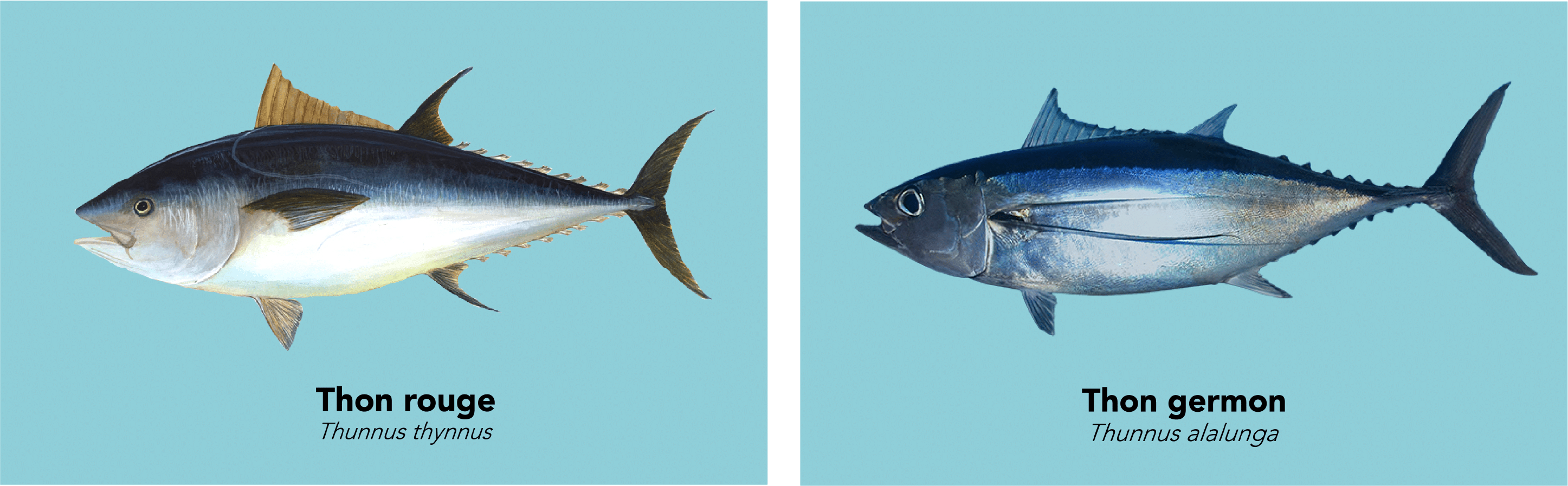
First, they are distinguished by their size and weight in particular. For example, bluefin tuna can grow to several meters in length and weigh up to 500 kg, while other species, such as bonito, are much smaller.
Bluefin tuna have pectoral fins that do not extend to the end of the first dorsal fin, unlike other tuna species found in our waters, such as albacore and bigeye tuna. It also differs from these species due to the brownish coloration of its second dorsal fin.
Unlike its cousins, the striped bonito has dark longitudinal stripes on its back and a first dorsal fin composed of about twenty spiny rays.
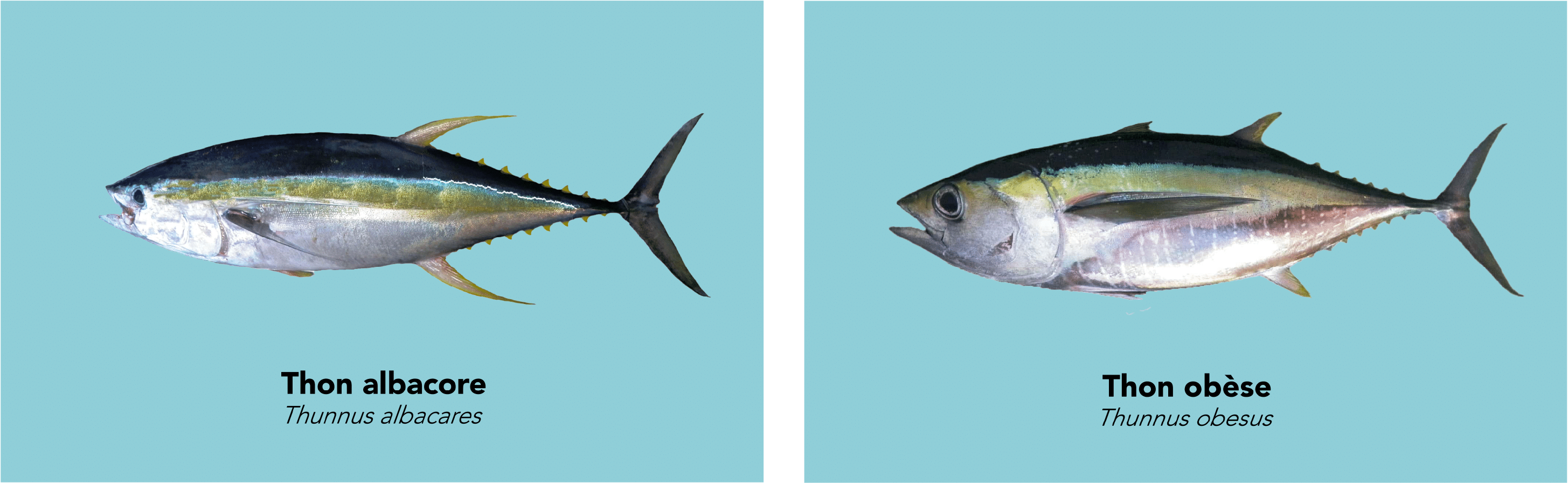
The color of their flesh also varies. Yellowfin tuna tend to have rather pale flesh, whereas, as its name suggests, bluefin tuna have dark red flesh.
The different species also occupy different ecological niches. The best known, bluefin tuna, is divided into different populations (3 distinct species): one occupying the Atlantic ecological niche (Thunnus thynnus), one in the Pacific (Thunnus orientalis, Western Pacific), and finally one in the Southern Hemisphere (Thunnus maccoyii).
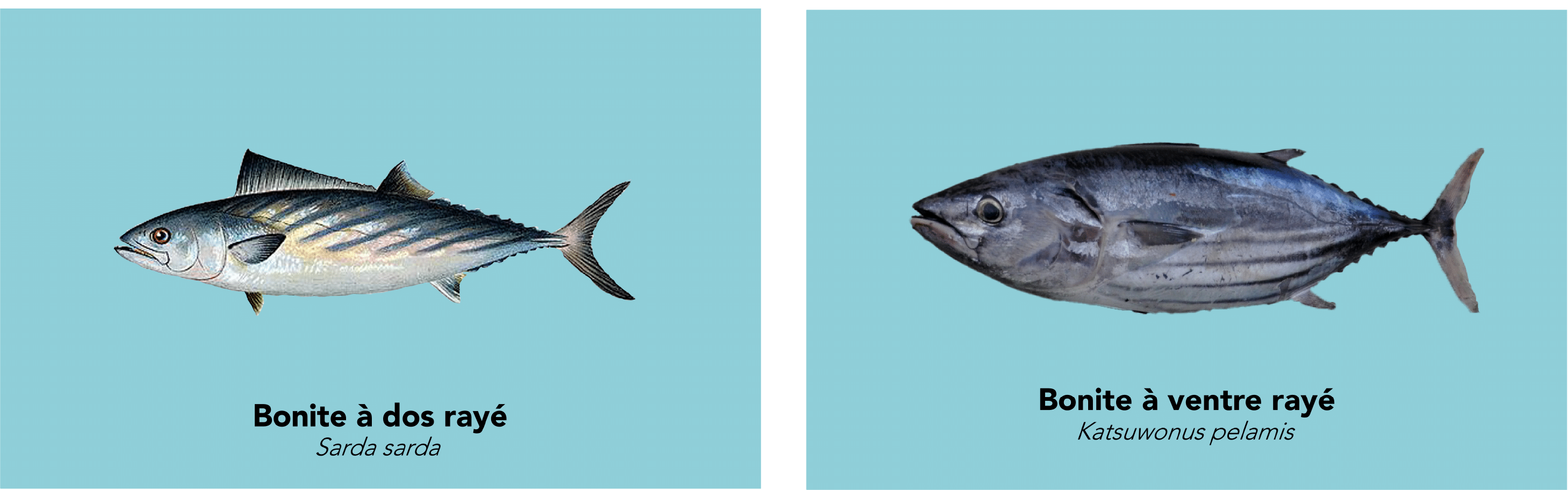
Yellowfin tuna is generally found in temperate zones (Bay of Biscay, Mediterranean, Atlantic). Albacore tuna is also found in temperate waters, as well as tropical waters, particularly the Pacific Ocean. Skipjack tuna (bonito) is the most heavily fished species of tuna in the world and is found primarily in the tropical zones of the three oceans.
From a nutritional standpoint, tuna are a source of protein and fat. The fat content varies depending on the species. They are beneficial to health by reducing the risk of cardiovascular disease. The National Nutrition and Health Program recommends eating fish at least twice a week (AFSSA, 2010)
Did you know that they are poikilothermic animals but possess a heat exchange system so that their muscles and internal organs remain warm at all times?