 An iconic species, bluefin tuna (Thunnus thynnus) is found in the eastern Atlantic.
In this region, the same stock is divided into two geographic areas: Atlantic bluefin tuna and Mediterranean bluefin tuna. The same species, the same stock, but two habitats!
It is a gregarious pelagic fish, meaning it lives in schools in the open sea. It is found in temperate waters, at depths of up to about 200 meters. This fish swims long distances without stopping, at speeds that can exceed 75 km/h.
It reaches maturity at the age of 4 in the Mediterranean and along the eastern Atlantic coast, measuring 120 cm and weighing 30 kg (IFREMER, 2016).
The bluefin tuna stock is assessed and managed by the International Commission for the Conservation of Atlantic Tunas (ICCAT).
Starting in the 1960s, improvements in fishing techniques led to a significant increase in bluefin tuna catches in the eastern Atlantic. This heavily exploited resource subsequently experienced a collapse in its stocks due to overfishing.
In 2007, a 15-year recovery plan was implemented to regulate both commercial and recreational fishing. Numerous measures were taken:
- a 25% reduction in quotas,
- limiting the number of vessels,
- seasonal closures of certain fishing areas,
- minimum catch weight (set at 30 kg for purse seiners and 8 kg for pole-and-line vessels).
Appropriate management and regulations have restored sustainable exploitation of Eastern Atlantic bluefin tuna stocks. The latest ICCAT studies show an increase in the biomass of spawning stock thanks to this recovery plan (there are more and larger individuals capable of reproducing).
The reduction in the number of vessels, fishing restrictions via quotas, and an increase in the minimum catch size have helped reduce fishing-induced mortality. In 2018, scientific studies supported an increase in the overall quota for this species. According to the latest scientific reports, the fishing effort on this species is appropriate for the sustainable exploitation of the stock. Experts are nevertheless unable to classify the Mediterranean bluefin tuna stock as “in good condition” due to the lack of a reference point to characterize the biomass. No comparative data is therefore available. A new report detailing the evolution of the situation for this species is expected to be published in 2020.
 Did you know?
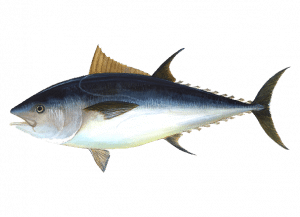
Like most pelagic fish, bluefin tuna have a dark blue back and a white belly. This feature allows them to better blend into their environment and thus avoid predators.
Since they usually swim near the surface, they are mistaken for sunlight by predators below. A predator swimming above will mistake them for the depth of the ocean.