With inflation soaring and putting a serious strain on our wallets, we’ve decided to highlight some fish that can be eaten as an alternative to sole, which costs around €30 per kilogram. The sea is teeming with creatures as diverse as they come: round ones, snake-like ones, big ones, small ones, starfish, and flat ones! The latter, though physically very different and with a distinctive way of moving, are indeed fish, all belonging to the order Pleuronectiformes.
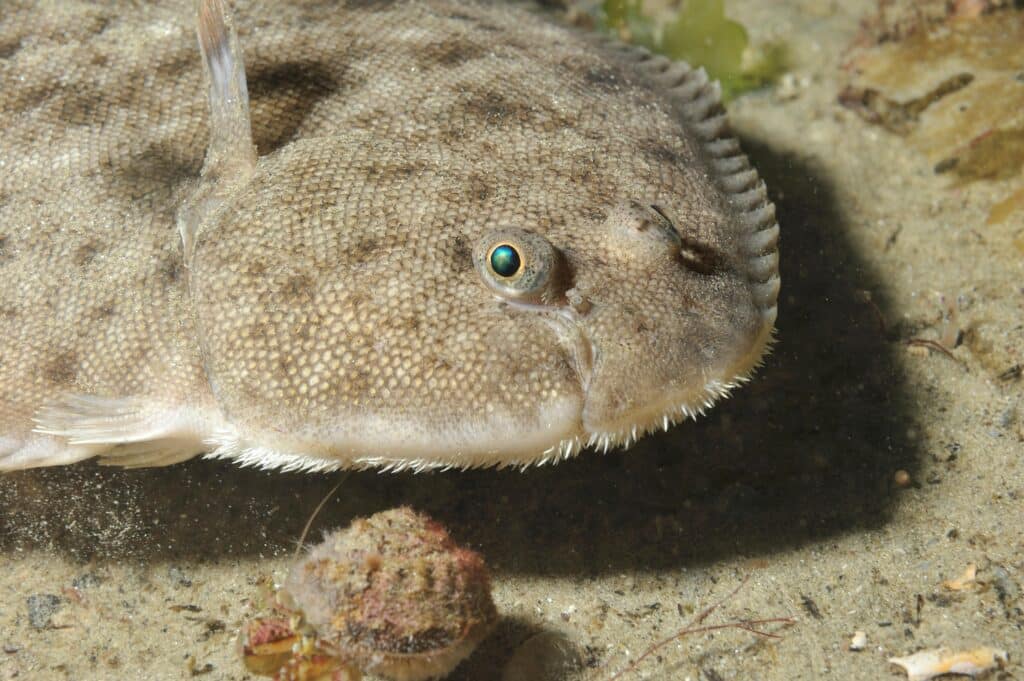
What makes them unique? They are all benthic, meaning they live on the seafloor. They develop their asymmetry during their growth and thus have two distinct sides: one with both eyes and the other blind, usually white, which is in contact with the seafloor. The migration of one eye and one nostril occurs during the larval stage; depending on the side of migration, we refer to fish as having right-sided symmetry (right side), notably for the plaice (Pleuronectes platessa) and the sole (Solea solea), or left-sided symmetry, as in the common turbot (Scophtalmus rhombus) and megrim (Lepidorhombus sp.).
Within this order, sole is one of the most widely consumed fish in France. This consumer demand has a direct impact on the stocks of this species, some of which are overfished. However, many pleuronectiforms can serve as an excellent alternative, both in terms of taste and cost.
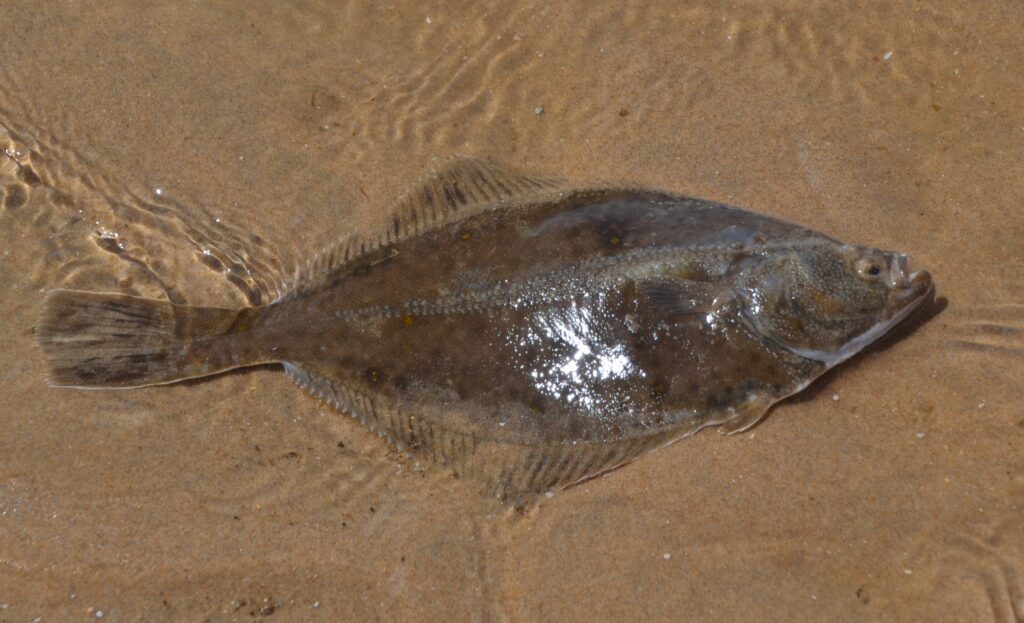
The plaice, also known as carrelet along the English Channel and North Sea coast, is one such alternative. It is distinguished by its lean and delicate flesh. Its nutritional profile is also characterized by a low fat content, making it a diet-friendly choice. It is a versatile fish in the kitchen and is suitable for various culinary preparations, from baking en papillote to plaice meunière.
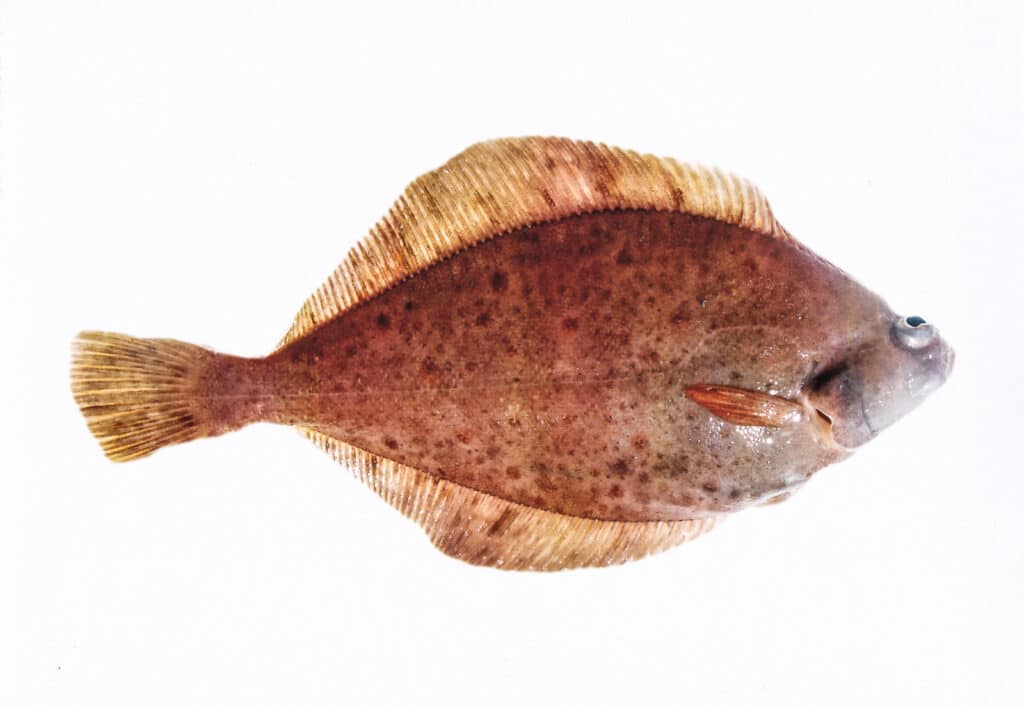
Just like flounder, the lemon sole—Latin name Limanda limanda—has lean, delicate flesh and is rich in nutrients. Brill (Scophthalmus rhombus), lemon sole (Microstomus kitt), and dab are also excellent alternatives to so-called “noble” fish, both economically and in terms of taste.