Episode 1: How Are Shrimp Farmed?
Last June, the Mr.Goodfish team flew to Ecuador for a few days.
The goal? To learn about the farming practices for Penaeus vannamei shrimp at different types of farms in Ecuador. Working alongside the EarthWorm Foundation, the goal was to identify the various drivers and barriers to making this industry more sustainable—both in terms of farming practices and environmental impact, as well as social conditions for employees. We visited several farms: from the south in Guayaquil to the north of the country in Quito.
Before we tell you more, do you know how shrimp are farmed in Ecuador?
Few farms have a hatchery on-site, so they receive shrimp larvae. These arrive at the nauplius stage—that is, the larval stage—by truck, directly to the farm. The larvae are then placed in an initial tank, known as the “nursery,” where they remain for about ten days to grow. To ensure their growth, they receive special care: food is provided, and salinity, temperature, and water quality are monitored.
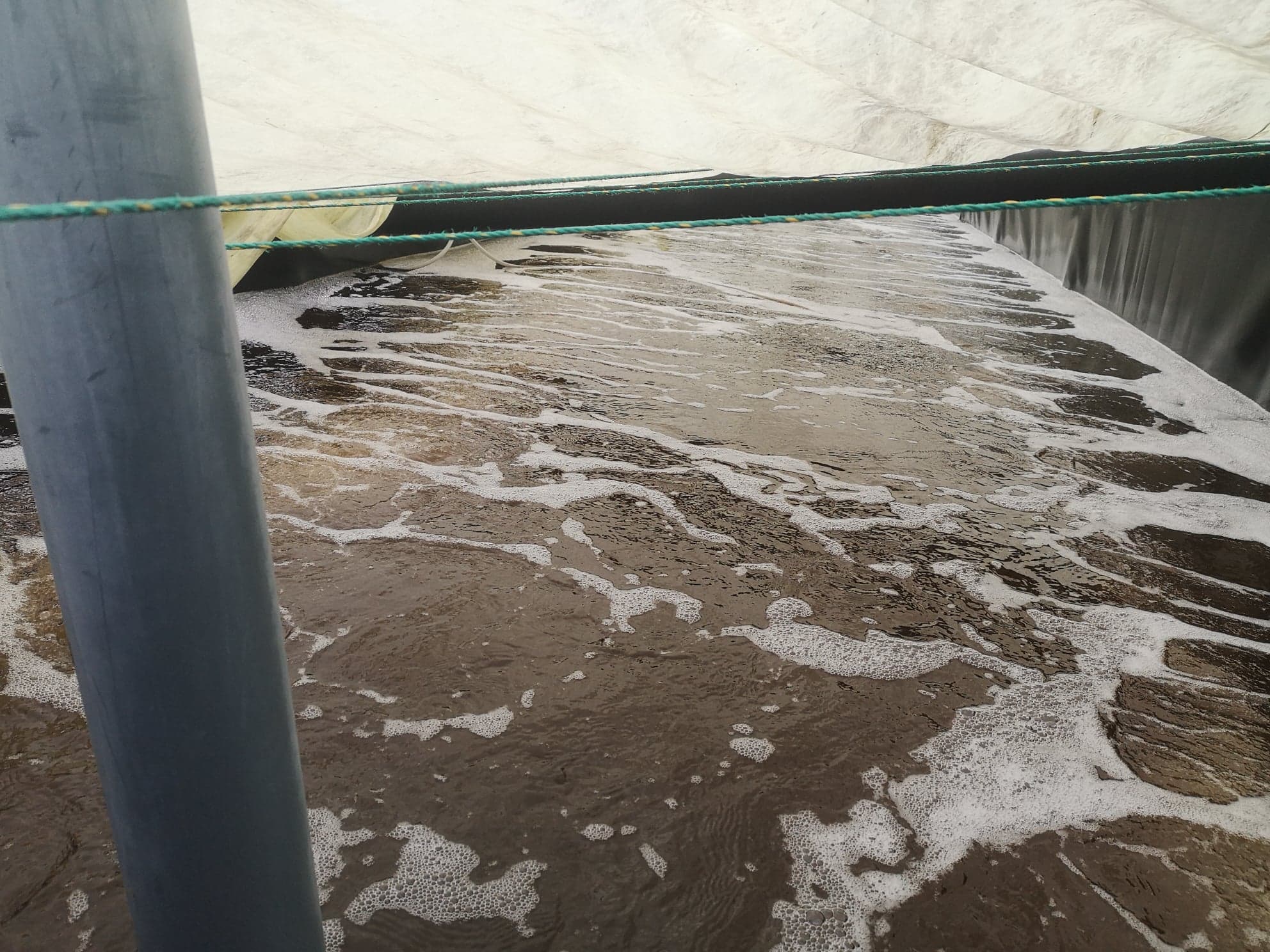
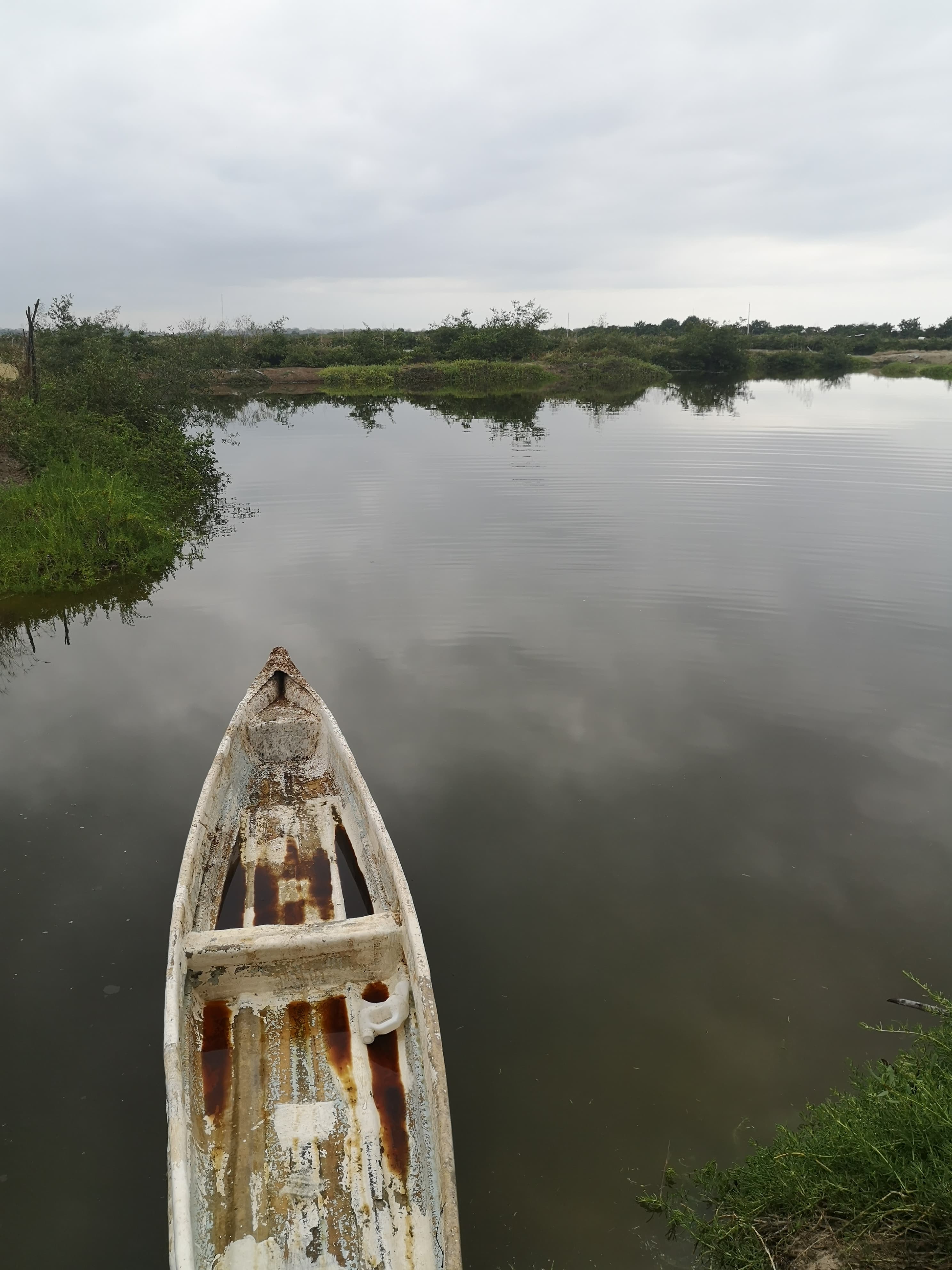
They are then transferred to “grow-out ponds”: to facilitate shrimp farming, these ponds have been dug in areas with mangroves. In fact, mangroves constitute a unique ecosystem conducive to shrimp growth: calm, brackish waters (a mixture of seawater and freshwater) at a temperature of around 20°C, rich in organic matter.
The shrimp remain in these grow-out ponds for one to three months, at a density that varies by farm—between 3 and 12 individuals per square meter—until they reach market size. To reach this size, some farms feed the shrimp several times (8 to 10 times) a day, while others rely on water naturally rich in organisms (phytoplankton and zooplankton) found in the environment, which meet the shrimp’s nutritional needs.
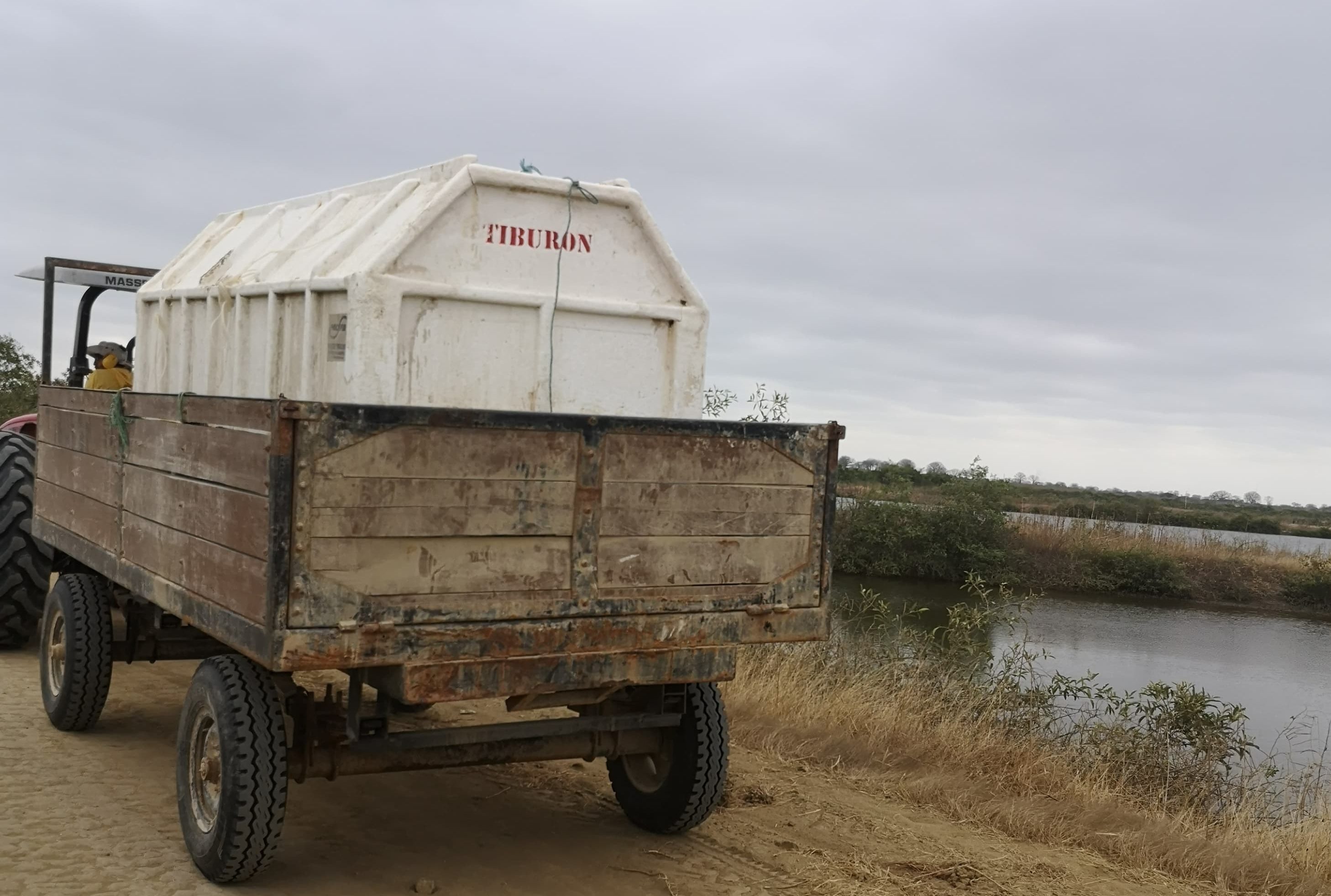
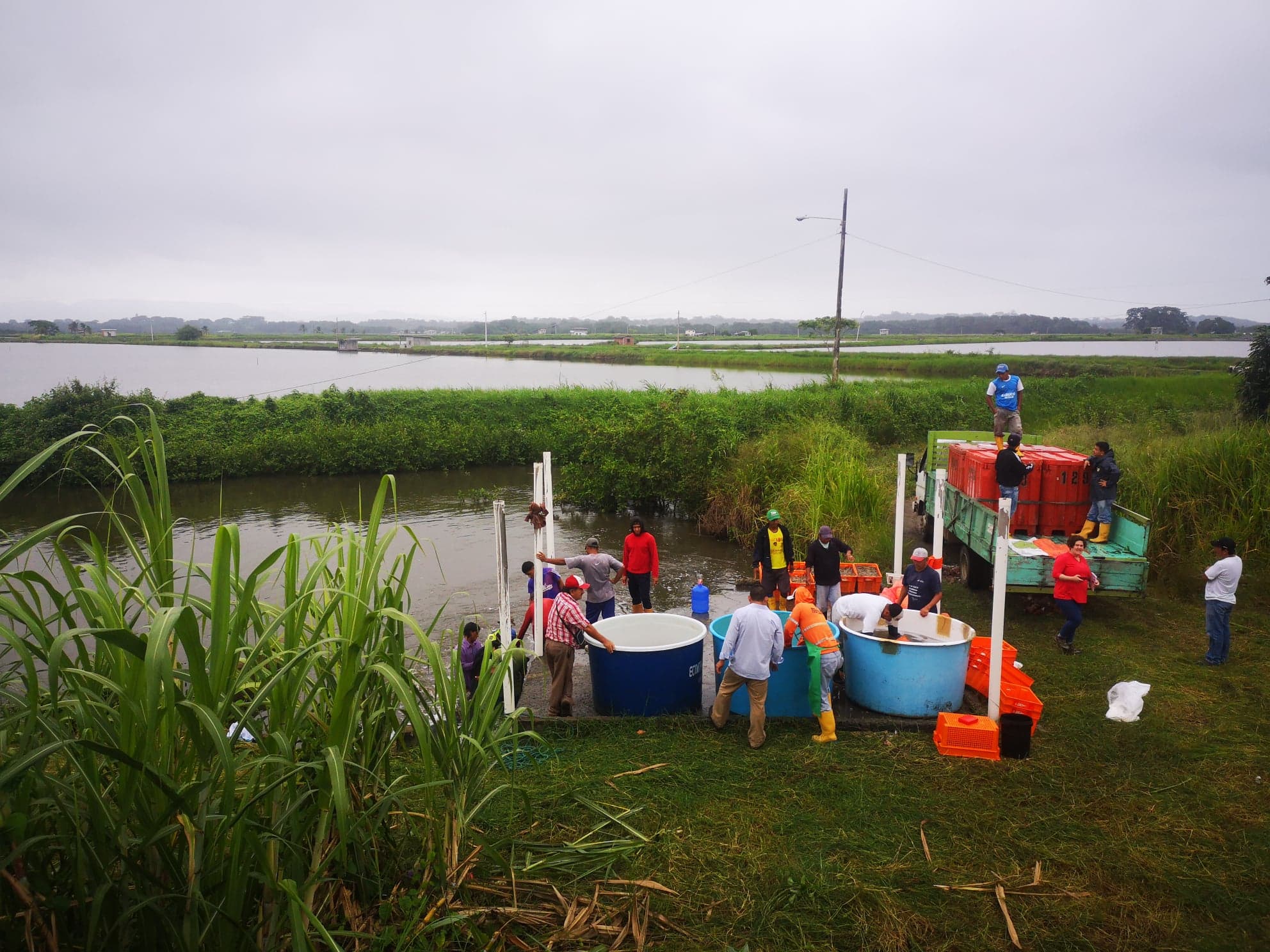
And harvesting? Once the shrimp have reached market size, they can be harvested. Harvesting takes about 4 hours, depending on the size of the pond: opening the pond toward a single outlet allows the water to drain out and the shrimp to be collected in fine-mesh nets. The shrimp are then hauled out and transferred to tanks of ice-cold water. Once harvesting is complete, they are transported to processing plants.
Stay tuned for the next newsletter to learn all about these processing steps…