In February 2024, the Mr.Goodfish3.0 consortium organized a series of local/regional co-creation workshops at its pilot sites in Cyprus, France, and Norway, led by our partner Three o'clock. These workshops brought together key stakeholders from the seafood and aquaculture value chains to identify the challenges and opportunities associated with promoting responsible consumption of aquatic products. It was a valuable opportunity for us to engage all relevant stakeholders in the seafood and aquaculture value chains to co-create new processes, services, and solutions to promote responsible production and consumption of seafood.
The workshops aimed to:
- Identify gaps in the seafood and aquaculture value chains
- Prioritize key sustainability issues
- Develop strategies and key messages to promote responsible seafood consumption
- Contribute to updating the Mr.Goodfish app, an innovative tool that helps producers, retailers, and consumers make sustainable seafood choices.
Lessons learned from our pilot sites
The workshops, all coordinated with the support of Three O’clock, also helped identify distinct challenges and opportunities in each project’s pilot site in terms of practice, policy, and education, highlighting commonalities and issues we need to address and be aware of:
Cyprus (Mediterranean pilot site led by the Cyprus Marine and Maritime Institute)
- Practice: The limited number of direct fish sales, declining fish stocks, and high processing costs for invasive species hinder the practice of responsible fishing.
- Policy: There is a need to strengthen monitoring of recreational fishing, support direct-sales models, and conduct awareness campaigns.
- Education: Consumers need better knowledge of responsible seafood choices, seasonal availability, and nutrition.
France (Atlantic Ocean, North Sea & English Channel Pilot site led by Nausicaá Centre National De La Mer)
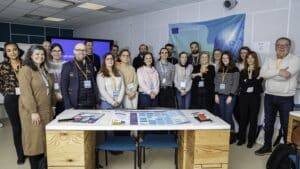
- Practice: Encourage the consumption of local seafood through improved traceability, culinary guides, and logistical support for sustainability.
- Policy: Strengthen food traceability and sustainability standards, and support small businesses in adopting innovative fishing technologies.
- Education: Improve food literacy through school programs, public awareness campaigns, and digital tools.
Norway (Arctic Ocean pilot site led by Nordnorsk Vitensenter)
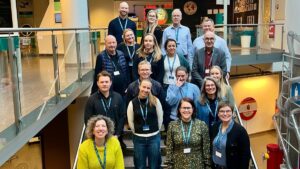
- Practice: Support cost-effective sustainable fishing technologies, reduce waste, and increase the diversity of seafood products in markets and restaurants.
- Policy: Strengthen resource management, improve traceability, and address environmental concerns in salmon farming.
- Education: Raise consumer awareness of responsible seafood, integrate education into culinary training, and leverage social media influencers.
What’s next?
The findings from these workshops will first be used to develop the improved Mr.Goodfish app, which aims to facilitate sustainable choices for producers, retailers, and consumers, as well as for the Mr.Goodfish 3.0 serious game. Additionally, this information will help strengthen stakeholder engagement and shape our awareness campaign.
A second and third series of workshops will be held this year, during which we hope to deepen our understanding of the local context of responsible seafood production and consumption, and co-create local solutions with all stakeholders.
In the meantime, Mr.Goodfish3.0 continues to foster collaboration across the European seafood industry to develop localized and scalable solutions that promote sustainability and responsible consumption.
Stay tuned for more on developments and implementation strategies. This is just the beginning of a long journey, and we can’t wait to see what lies ahead.
Follow us and don’t miss the latest updates!