Long confined to a few Japanese recipes, seaweed is now making its way onto our plates as a true ally of sustainable food systems. Rich in nutrients, easy to cultivate, and requiring few resources, it could play a key role in the food transition.

Long confined to a few Japanese recipes, seaweed is now making its way onto our plates as a true ally of sustainable food systems. Rich in nutrients, easy to cultivate, and requiring few resources, it could play a key role in the food transition

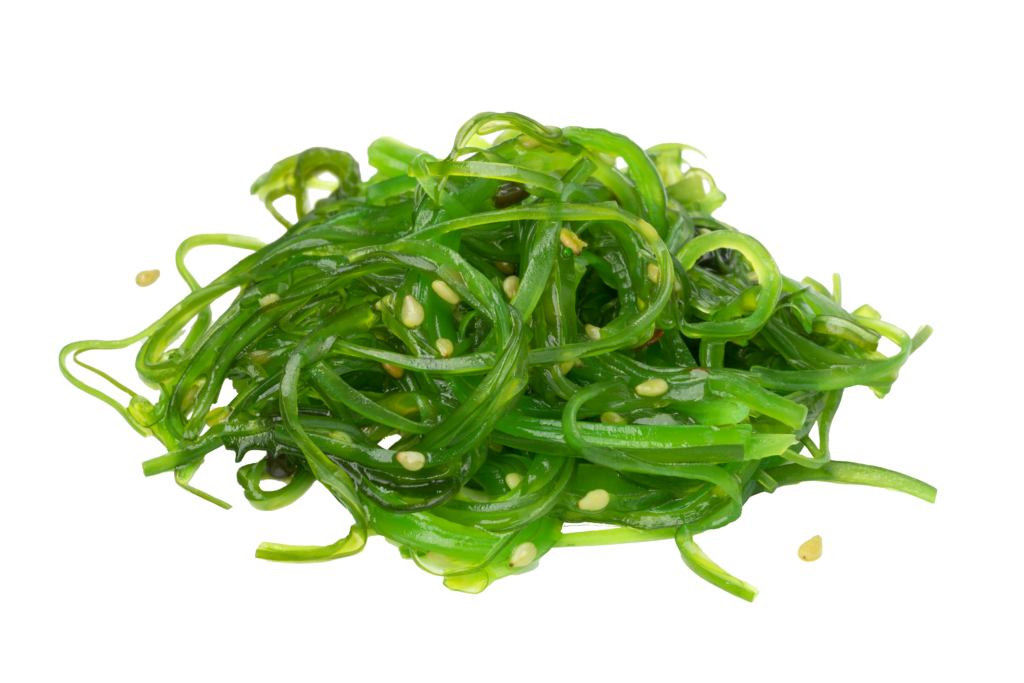
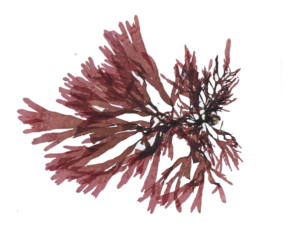
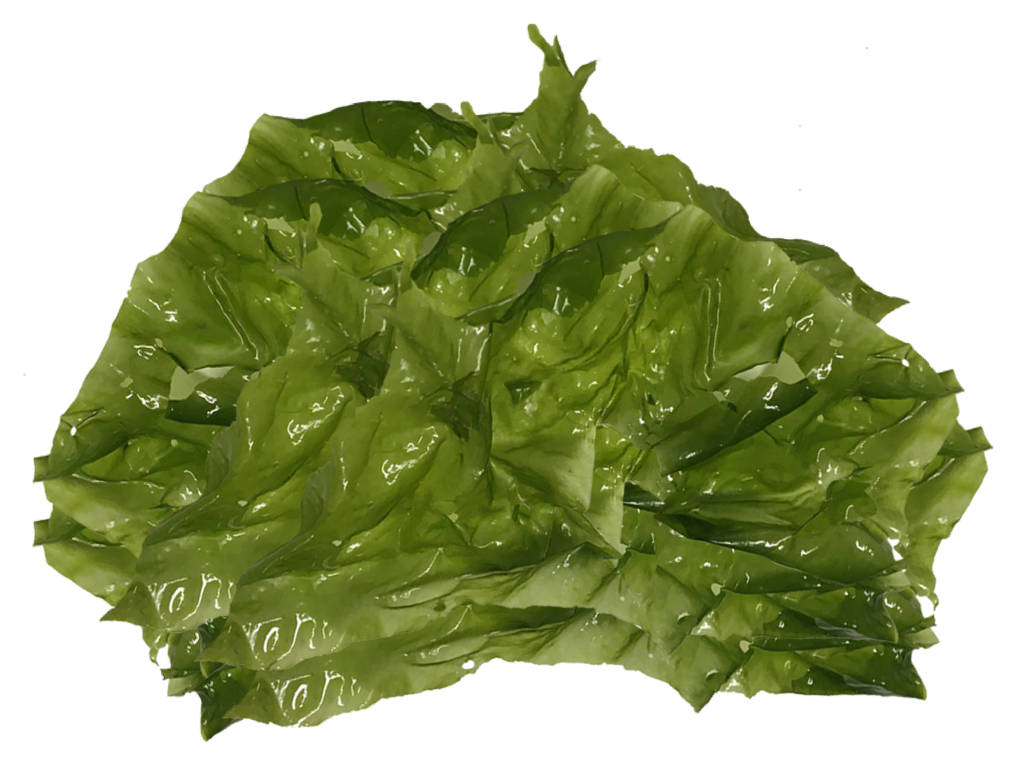
Edible seaweeds (nori, wakame, dulse, sea lettuce, kombu, etc.) are naturally rich in protein, fiber, minerals (iodine, iron, calcium), vitamins, and antioxidants, while being low in fat. From an environmental perspective, cultivating seaweed requires no farmland, no freshwater, and no chemical fertilizers. As they grow, seaweeds absorb CO2 and excess nutrients, helping to limit ocean acidification and improve water quality.
Against the backdrop of strong global demand for protein, algae offer a local, renewable plant-based alternative that reduces pressure on livestock farming and agricultural land. It is already used in many products: meat substitutes, ingredients for the food industry, nutritional supplements, and even condiments and snacks.