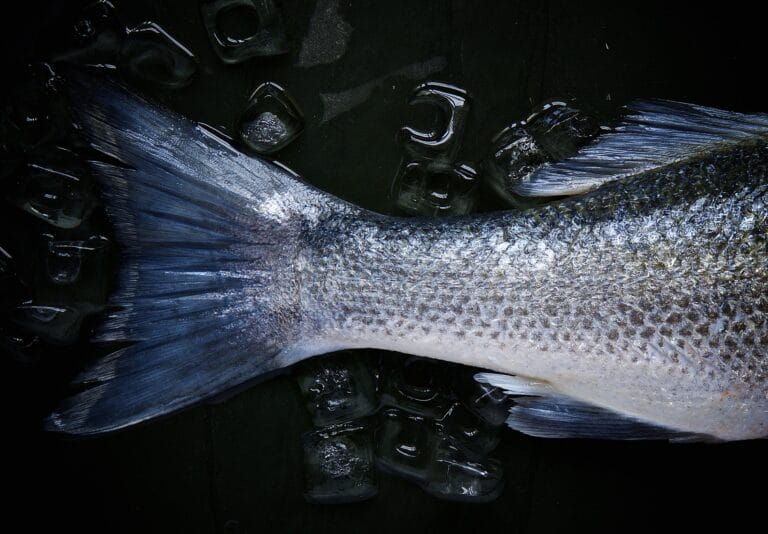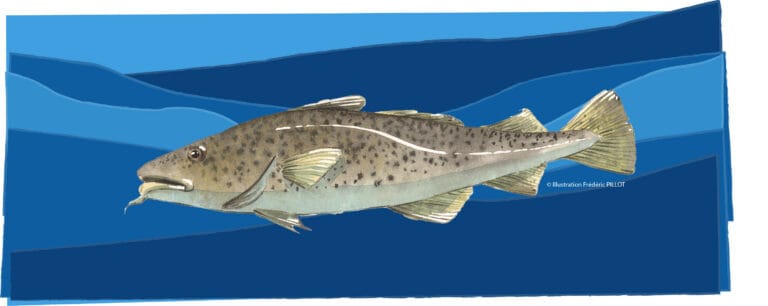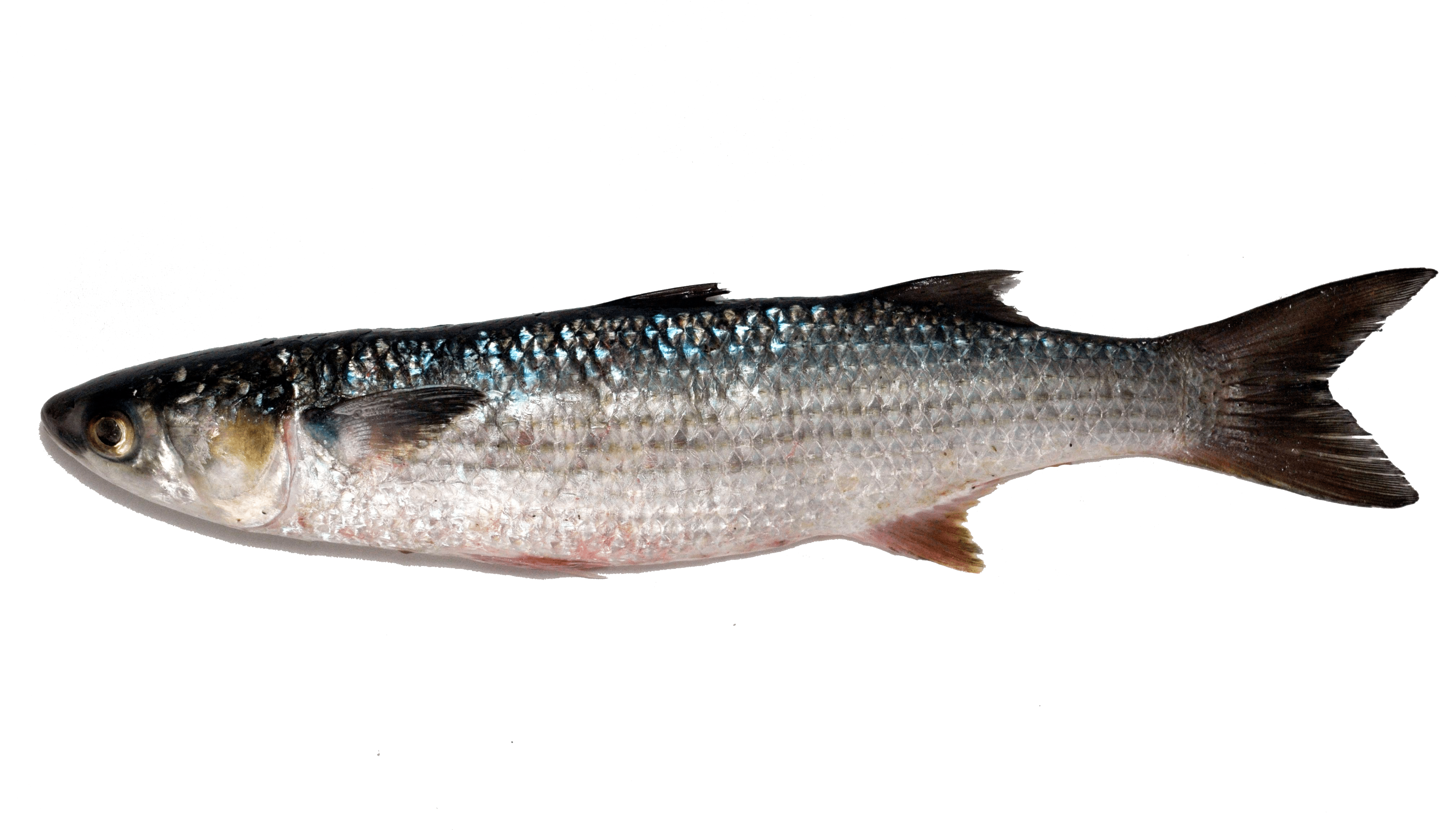
The large family of Mugiliformes comprises about 80 species, six of which are found along our coasts. Difficult to distinguish, they are characterized by: a flattened head with a small mouth, gray coloring, the absence of a lateral line, and short, separate dorsal fins.
Three of them regularly appear on the seasonal lists of the Mr.Goodfish program, found along various coastlines: the striped mullet, the common mullet, and the golden mullet.
To help you identify these species more easily, here are some distinguishing features for each:
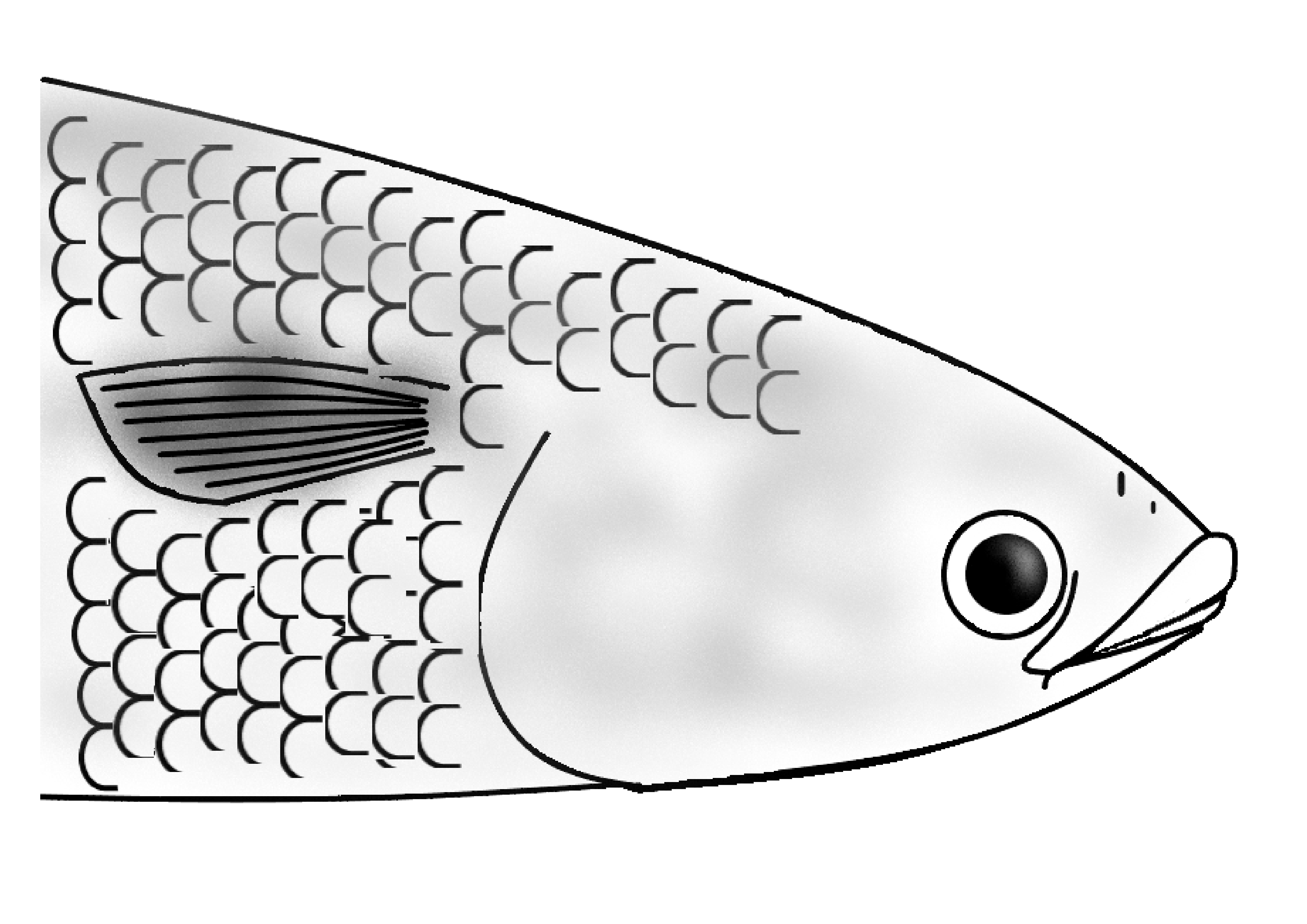
The lipped mullet can be recognized by its upper lip, which is thicker than those of the other species.
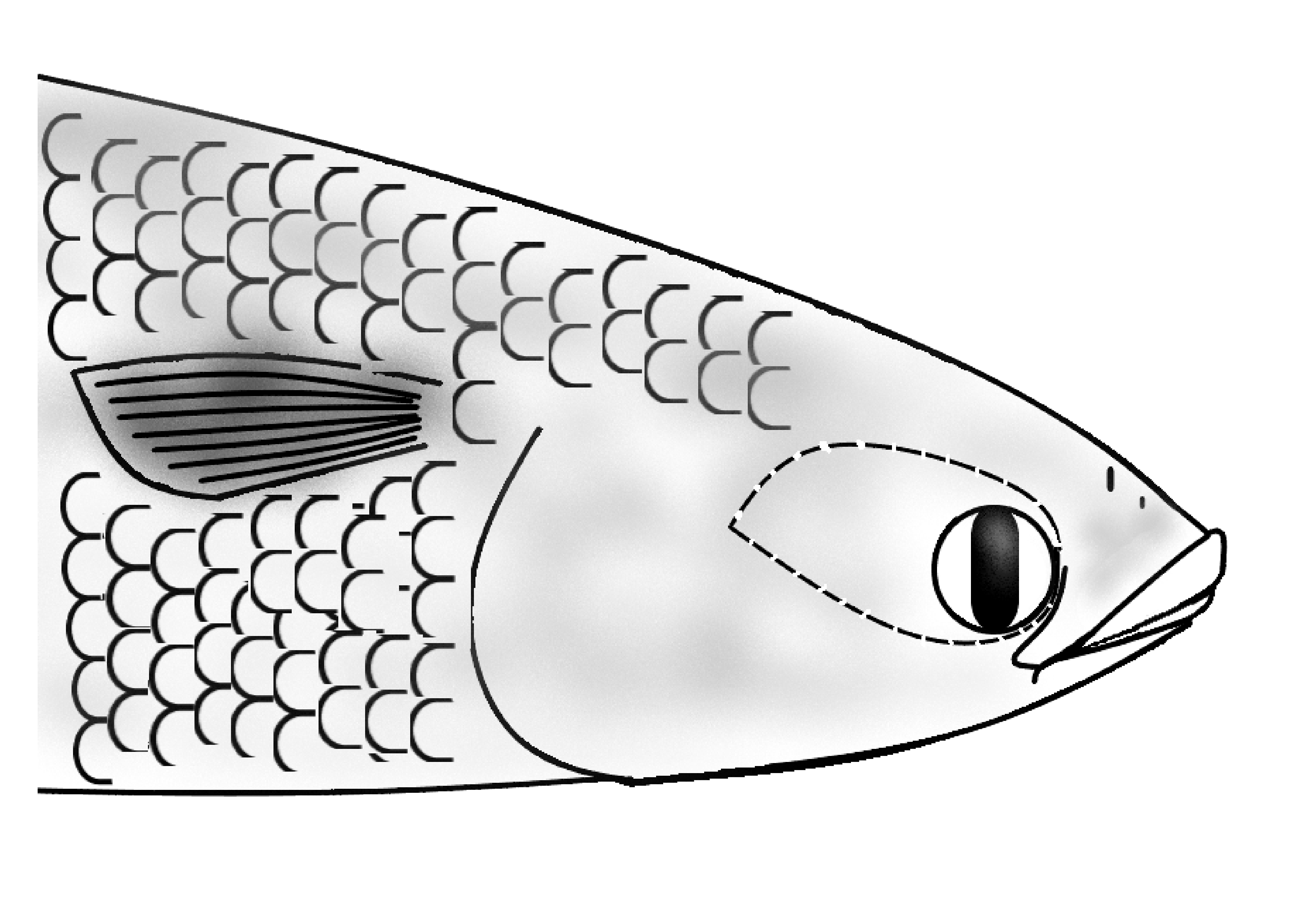
Unlike the thick-lipped mullet, the common mullet has a thin upper lip. Its eye sockets are vertical slits, and its eyelids are more adipose, meaning they are fatter.
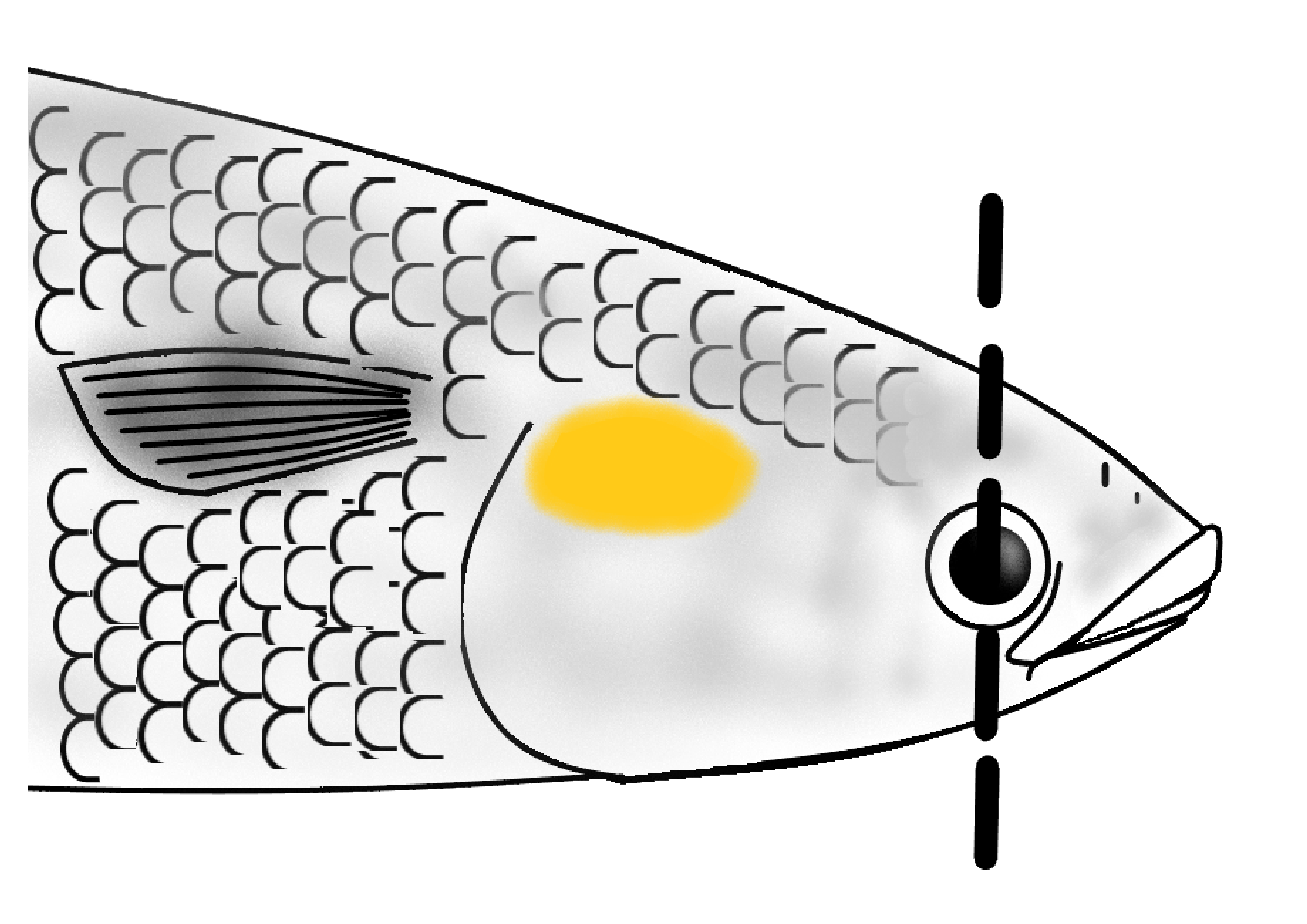
The absence of scales on the snout, circular eye sockets, and distinct golden spots on the gill covers help identify the golden mullet.
What about the other species?
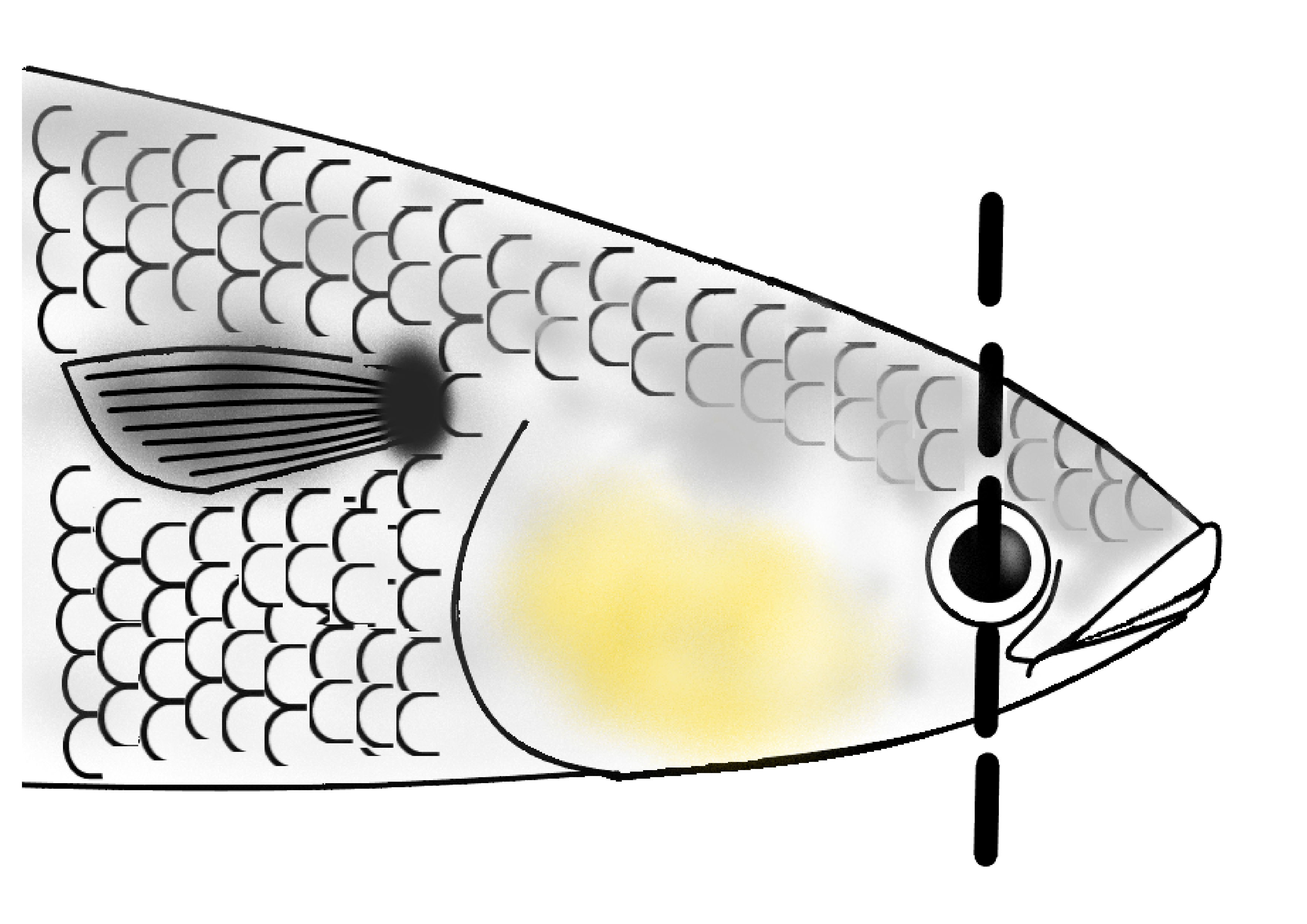
The scales on the snout of the pig mullet are as large as those on the rest of its body. It has diffuse, golden spots on its gill covers and black spots at the base of its pectoral fins.
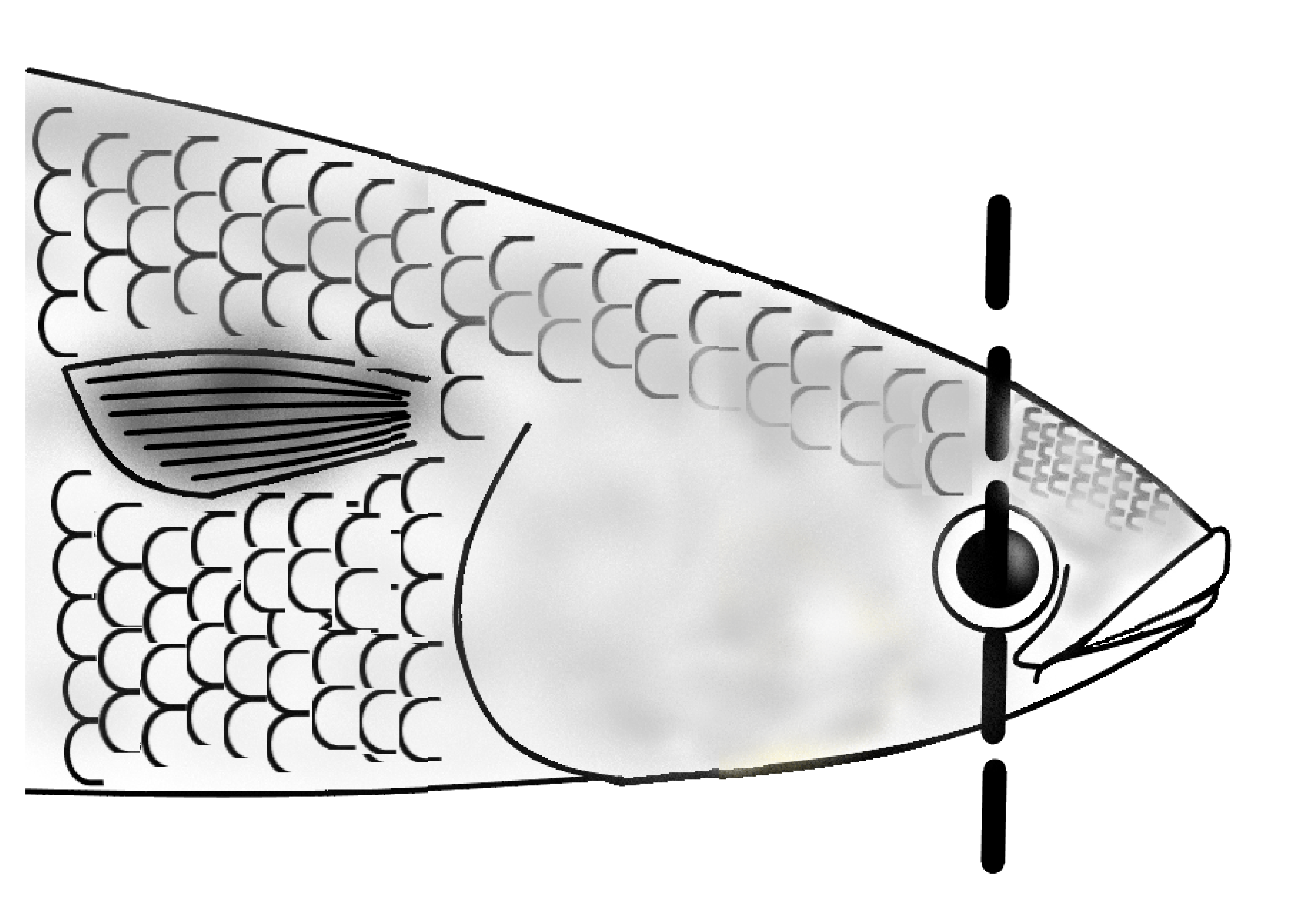
As for the jumping mullet, the scales on its snout are smaller than those on the rest of its body.
These species feed mainly on algae, scraping the bottom with their lower jaw, and sometimes on small fish.
Did you know?
While most mullets are found along our coastline, from rocky shores to sandy and muddy bottoms, certain species—including the cabot mullet, the lippu mullet, and the pig mullet—live in freshwater. These species are known as catadromous, meaning they live in freshwater but spawn in seawater. As a result, “Loire mullet” can be found on the menus of certain restaurants.
Copyrights: Studio K – Mr.Goodfish