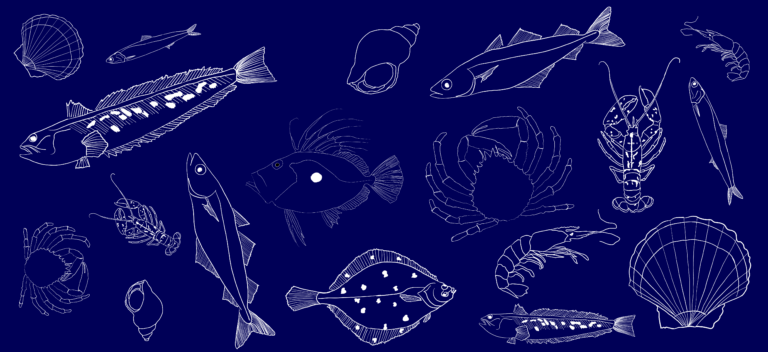
Everyone is familiar with anchovies, mackerel, horse mackerel, and herring, but did you know they’re part of the large family of small pelagic fish? This group includes fish that live in open water or at the surface in schools that can stretch several meters or even kilometers long!
Morphologically, these are often slender, small fish with coloring that provides ideal camouflage in the open sea! To predators approaching from above, their blue backs blend in with the depths, and to hide from species below, their white bellies are indistinguishable from the surface.
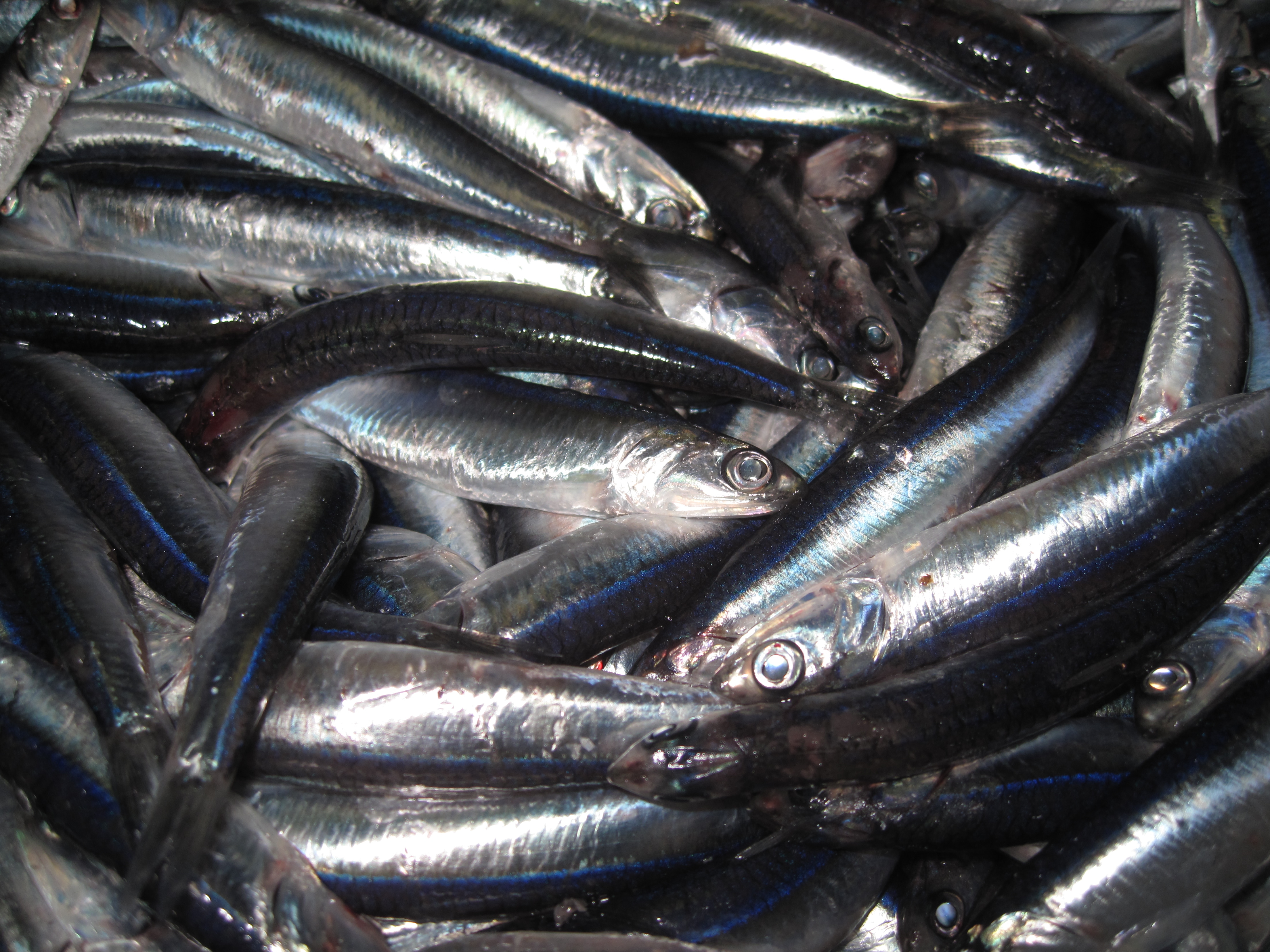
In 2011, these species collectively accounted for more than one-third of global catches (France AGRIMER, 2013).
Used for human consumption in many regions, they are primarily targeted for “fishmeal fishing,” especially in Latin America, where catches are mainly used to produce oils or meals for aquaculture. Producers participating in the Mr.Goodfish initiative commit to using only fish oils and meals from sustainable fisheries (legal, quota-managed fishing), while prioritizing new protein sources (seaweed, flax, byproducts, insects, etc.). Sustainable aquaculture through responsible feeding!
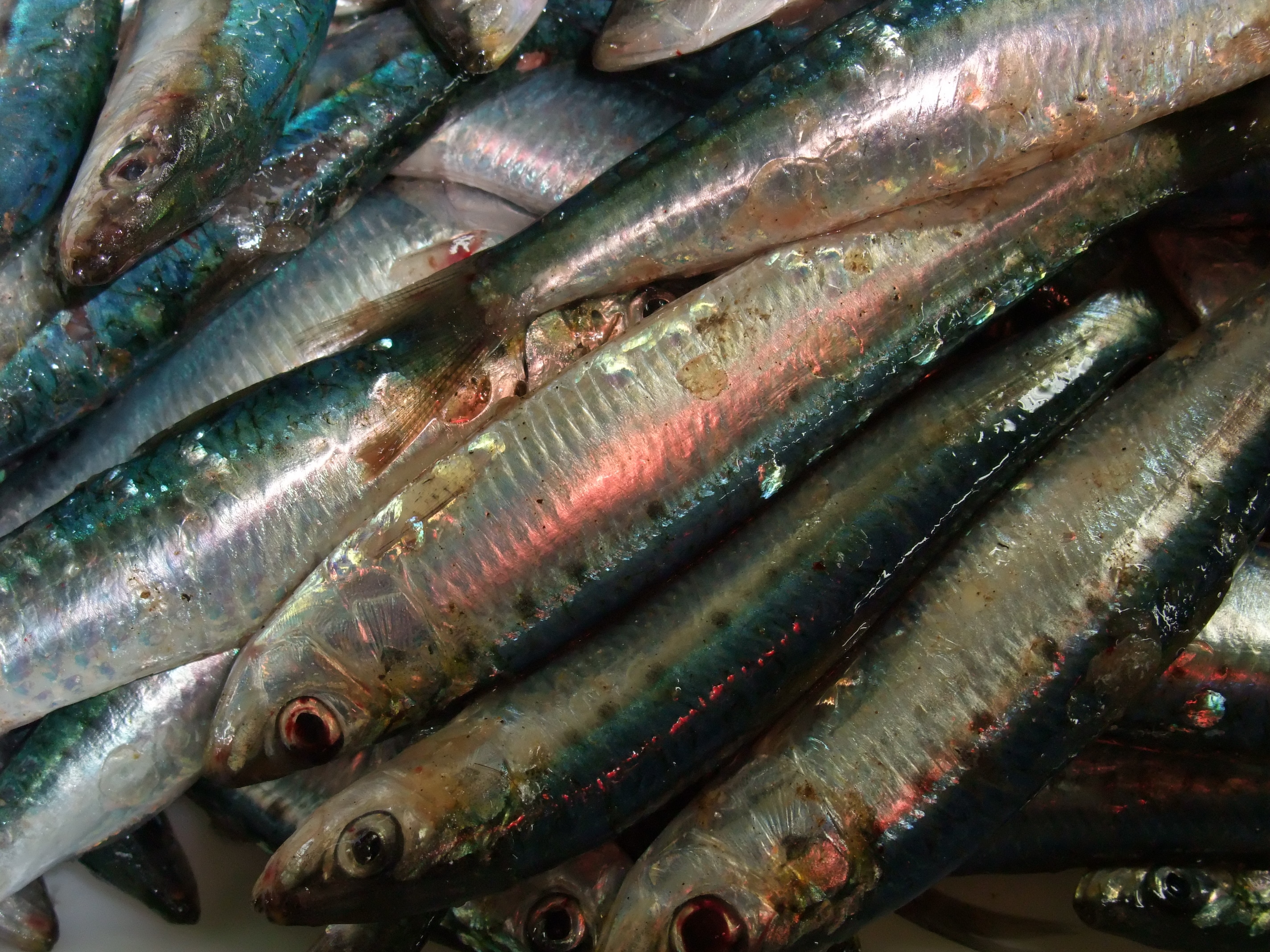 Regularly featured on our lists of recommended wild species, small pelagic fish are a culinary highlight. Often criticized by the general public for having too many bones, small pelagic fish nevertheless offer flavorful flesh that can be enjoyed in various forms: raw, marinated, or grilled on the barbecue. Generally considered “fatty fish,” they provide omega-3s, vitamins, and a wealth of trace minerals: a fish that’s good for the sea and good for you!
A quick spotlight on the anchovy, which is making a comeback on our menus!
The anchovy, Engraulis encrasicolus, is a fish caught along two of our coastlines: Brittany/Atlantic and the Mediterranean. Two fisheries, two stocks, and two different management approaches!
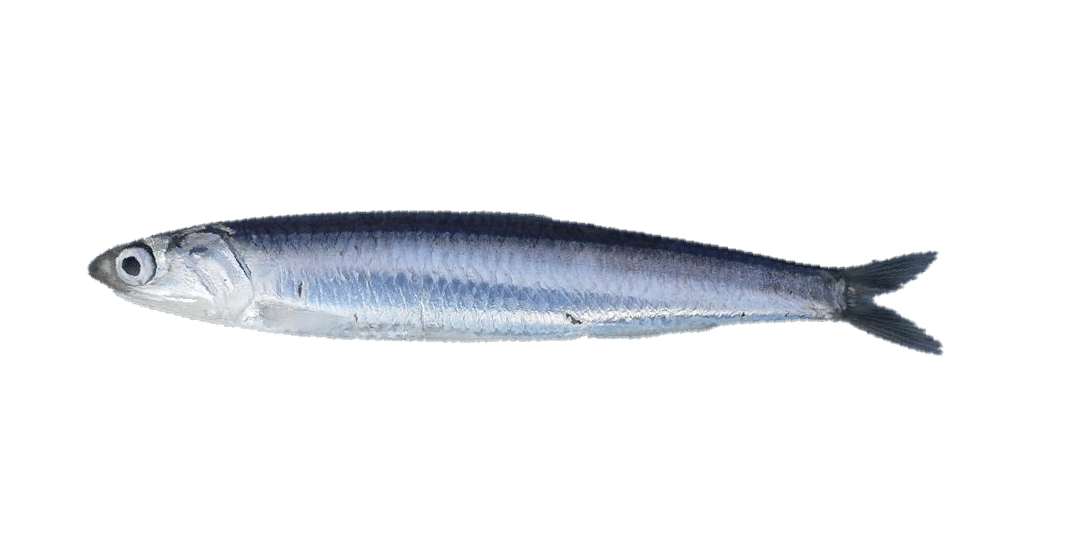 It is a fish with a short life cycle: it rarely lives longer than three years. It is found in schools in coastal waters up to 150 meters deep. Recognizable by its slender body, prominent fin, and single dorsal fin, it cannot be confused with any other species. Depending on the region, it is caught using pelagic trawls or purse seines—also known as bolinches in Brittany and lamparos in southern France.
In the Mediterranean, the anchovy stock has been a cause for concern for many years. Despite a significant reduction in fishing pressure, numerous scientific studies indicate that the biomass of fish of commercial size is not increasing. It appears that the natural environment has become nutritionally impoverished, and that anchovies are choosing to focus their energy on reproduction rather than growth.
In the 2000s, the anchovy stock in the Bay of Biscay was also a cause for concern, but a long period of “fishing ban” was necessary to remedy the situation. Today, the species has reached a sustainable level of biomass and fishing effort. European regulations govern this fishery with a TAC [*] and a minimum legal size of 12 cm in this region. Professional fishermen, mindful of the difficult years that preceded this, collaborate annually on scientific surveys: a true team effort with scientists! All this good news has led Mr.Goodfish to recommend Bay of Biscay anchovies for the Fall 2020 season.
Often salted and marinated, they can be used in tapenade, on pizzas, or simply to top a slice of buttered bread: a real treat!
[*] Total Allowable Catch: these are catch limits (expressed in tons or numerical figures) set for most commercial fish stocks.