Over the decades, the global population has grown steadily, leading to an increase in consumption. Against the backdrop of environmental instability, more and more consumers are seeking to diversify their protein sources, resulting in a significant increase in per capita consumption of aquatic products.
For example, global consumption rose from 9.9 kg per capita in 1690 to 20.2 kg per capita in 2020 (source: FAO 2022, FranceAgrimer 2022).
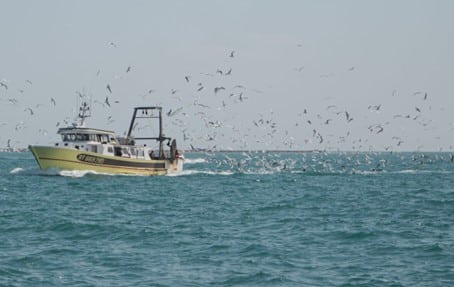
This shift in behavior is not without consequences for marine life. The exploitation of fish stocks today shows significant disparities. The oceans are a vital food source for many populations, so it is essential to continue providing consumers with fresh, seasonal seafood products from sustainable fisheries. This represents a comprehensive approach to preserving the marine ecosystem.
According to the FAO—the Food and Agriculture Organization of the United Nations—(2022), it is necessary to manage fish stocks effectively and sustainably in order to rebuild those that are in decline. A stock, which corresponds to a portion of a species’ population in a given area, is considered balanced when the number of individuals entering the stock equals the number of individuals leaving it. Inflows include the growth of individuals and the recruitment of fish that have reached a size sufficient to be caught, while outflows result from fishing-related mortality and natural mortality.

In the current context, scientists’ assessment of the resource is of paramount importance for effective management. Management measures implemented in Europe, such as quotas and fishing zones, contribute to the protection of marine resources.

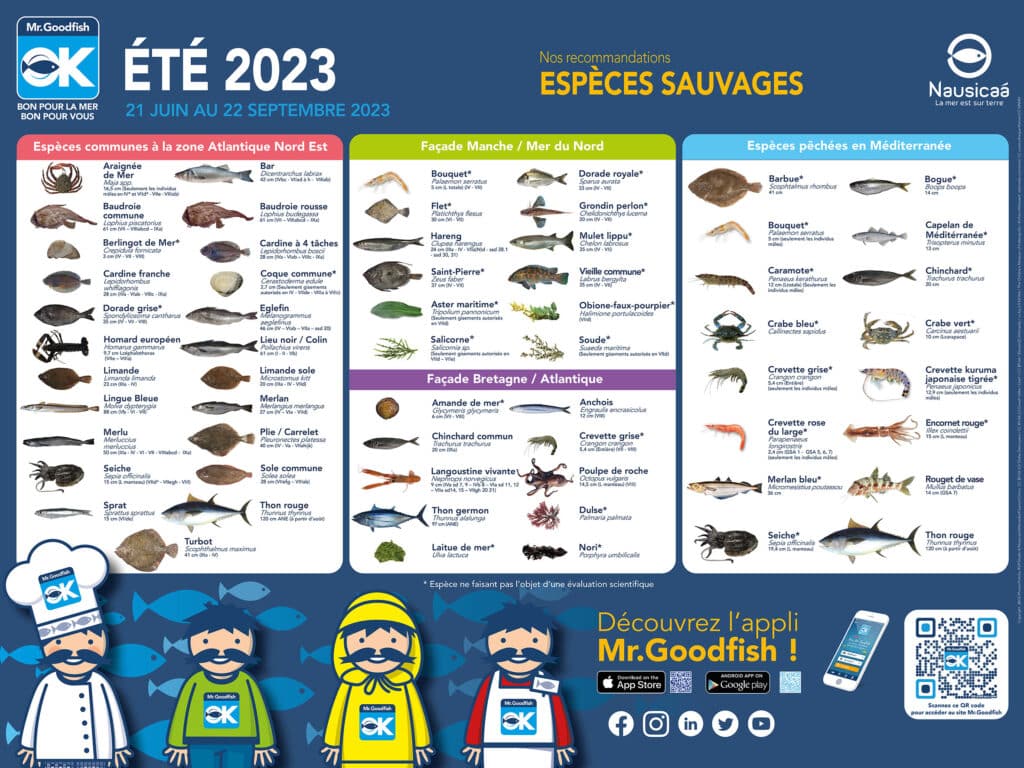
As consumers, you can also play a role in preserving the oceans. This does not mean completely eliminating seafood from your diet, as responsible fishing plays an essential role in maintaining a balanced ecosystem. By consuming seafood sustainably, you help reduce fishing pressure on the most heavily exploited species and promote the use of less-fished fish.
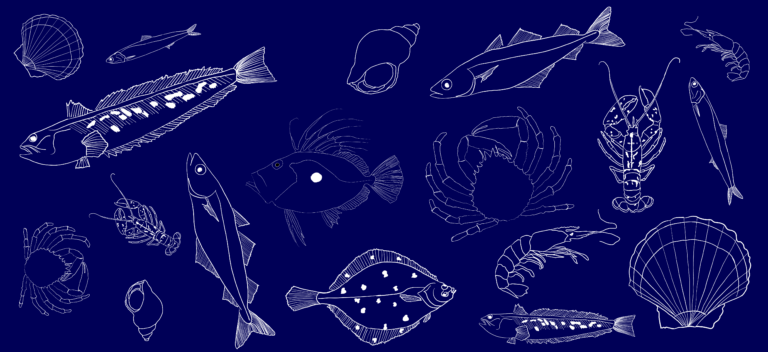
There are many species, whether subject to quotas or not, that are little known to consumers and very underfished. They offer excellent alternatives both economically and in terms of taste.