What is the impact of Brexit on the French seafood industry: a focus on fishermen? (1)
In 2016, following a referendum, the United Kingdom decided to leave the European Union. After years of negotiations, an agreement was finalized on December 24, 2020. But what guarantees does it offer? And what will be the impact on the seafood industry?
Fishermen: From Blue Europe to Brexit!
When Blue Europe was established in 1983, the first CFP—Common Fisheries Policy—was signed by all member states. All these governments then committed to pooling their EEZs—Exclusive Economic Zones[1]—as well as the resources they contained. Conversely, territorial waters[2] remained under the jurisdiction of their respective states. To regulate this new zoning, common regulations such as TACs[3]/quotas, technical measures for fishing gear, and minimum catch sizes were implemented to standardize the rules.
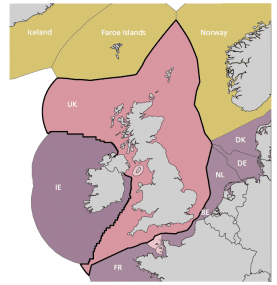
In practical terms, from that date onward, European fishermen were able to operate in all Exclusive Economic Zones of all member states. To avoid penalizing fishermen who, prior to the implementation of the CFP, fished in the coastal waters of other countries, some governments granted access to territorial waters based on the history of previous catches. For example, English waters remained partially open to French fishermen and vice versa.
For years, English and French fishermen shared their resources, species, and fishing grounds. Gradually, tensions—and even conflicts—arose and took root between the fleets. Now that Brexit has been voted through, what will be its impact on this distribution?
English waters: a hotspot for marine species!
Today, more than 30% of the value of French fishermen’s catches comes from English waters. Regions such as Hauts-de-France, Normandy, and Brittany are heavily dependent on the United Kingdom’s maritime areas. Species such as mackerel, herring, sole, hake, and Norway lobster are regularly fished in these parts of the world.
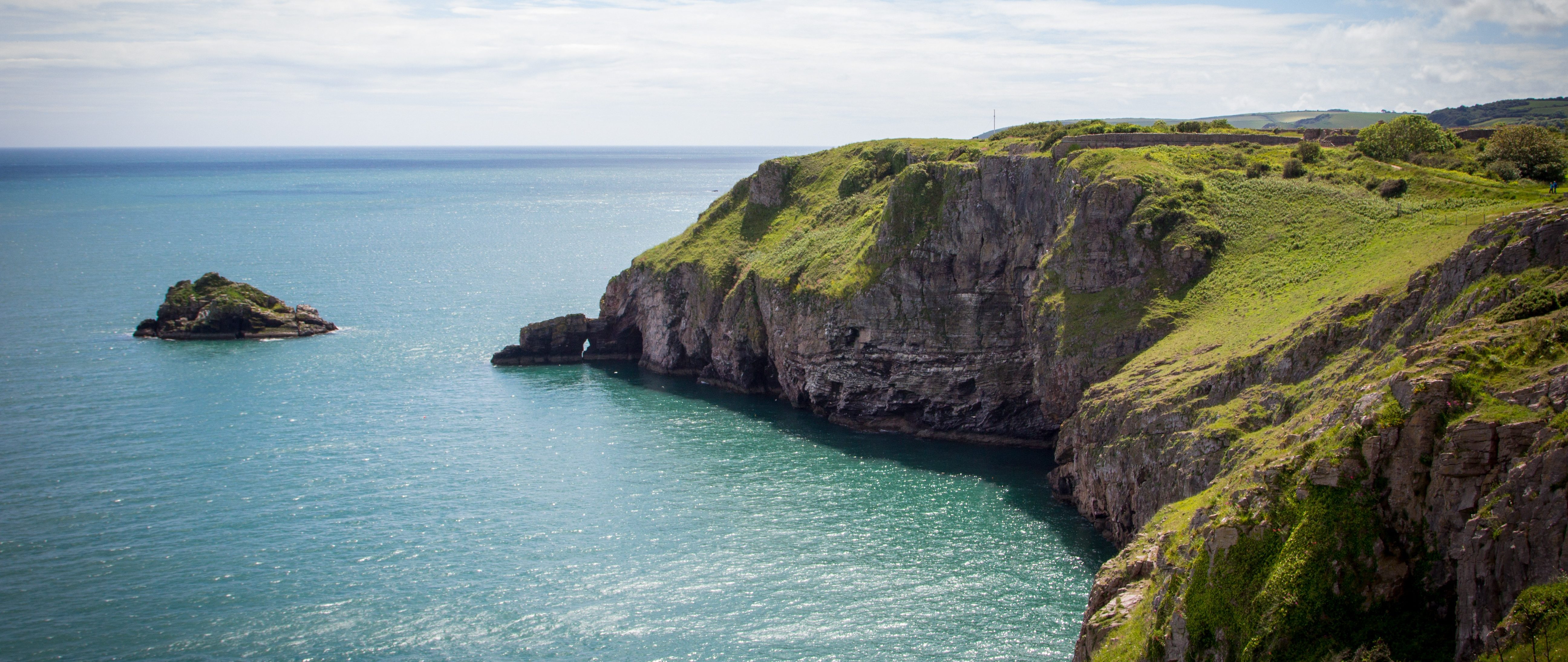
The English coast is one of the richest and most diverse on the European continent. Migration patterns for adults and the impact of currents on eggs and larvae are natural phenomena that allow species to accumulate in these areas. The French coasts, due to their abundance of food, are home to spawning grounds and nursery areas, so they are primarily inhabited by young fish. Conversely, the British coasts are home to larger populations of adults, as marine species move offshore as they age.
What are the new rules?
By 2026, European fishermen will have to forgo 25% of their catches in British waters: this is the agreement signed on December 24 by all member states. This commitment will be reviewed at the end of this transitional period to adapt to the measures that will be implemented by then.
In practical terms, European fishermen have committed to gradually returning a quarter of their quotas for species caught in British waters: 60% starting in 2021, then an additional 10% each year until 2026. This point was one of the key issues during the Brexit negotiations.
By leaving the European Union, the United Kingdom is also renouncing the commitments it made to the European Union: it therefore regains control over its EEZ and territorial waters. Following complex negotiations, a licensing system has been established to authorize European vessels to fish in these maritime areas. For species subject to quotas, the allocation will remain similar; for others, catch limits will be set based on historical catch data. Authorizations will be granted both for French vessels in British waters and for British vessels in French waters.
The UK government will continue to share its scientific data on stock assessments to ensure accurate analyses of the resource in collaboration with other European states. This exchange will allow the impact of UK fisheries on shared stocks to be incorporated into scientific advice. TAC proposals will be set jointly each year.
Brexit: What’s Next…
After years of discussions, Brexit has been signed, the proposals approved, and the main guidelines established, but what has happened since early January 2021?
Today, various issues surrounding the implementation of Brexit remain unresolved. Licenses are being issued only sparingly. Many vessels are still unable to fish in the English waters where they usually operate. For several reasons, it is not always easy to prove catch history, which complicates the distribution of licenses.
In the meantime, this administrative slowness and the resulting 25% loss are causing—and will continue to cause—cohabitation issues in certain regions. Indeed, vessels that no longer have access to their usual fishing grounds are shifting into areas already occupied. Fishing pressure is therefore increasing in these regions, and conflicts between French vessels are emerging.
A few weeks after the official signing, there are still many issues to consider, so this is a story to watch…
[1] EEZ: Exclusive Economic Zones: maritime areas for which exploitation rights are allocated to the relevant state. Symbolically, the EEZ is the zone between 12 and 200 nautical miles from the baseline at the coast.
[2] Territorial waters: maritime areas between the baseline and 12 nautical miles.
[3] TAC: Total Allowable Catches are the maximum quantities of fish of a given species that may be harvested within a defined area and time period.