In June 2019, part of the Mr.Goodfish team flew to Ecuador for a few days.
The goal? To learn about Penaeus vannamei shrimp farming practices at various types of farms in Ecuador. Working alongside the Earthworm Foundation, the aim was to identify the various drivers and barriers to making this industry more sustainable—in terms of farming practices, environmental impact, and social aspects. We visited various farms: from the south in Guayaquil to the north of the country in Quito.
In our previous newsletter, we explained how farmed shrimp are raised and fed.
In this final article dedicated to our week in Ecuador, we will outline the objective of this project.
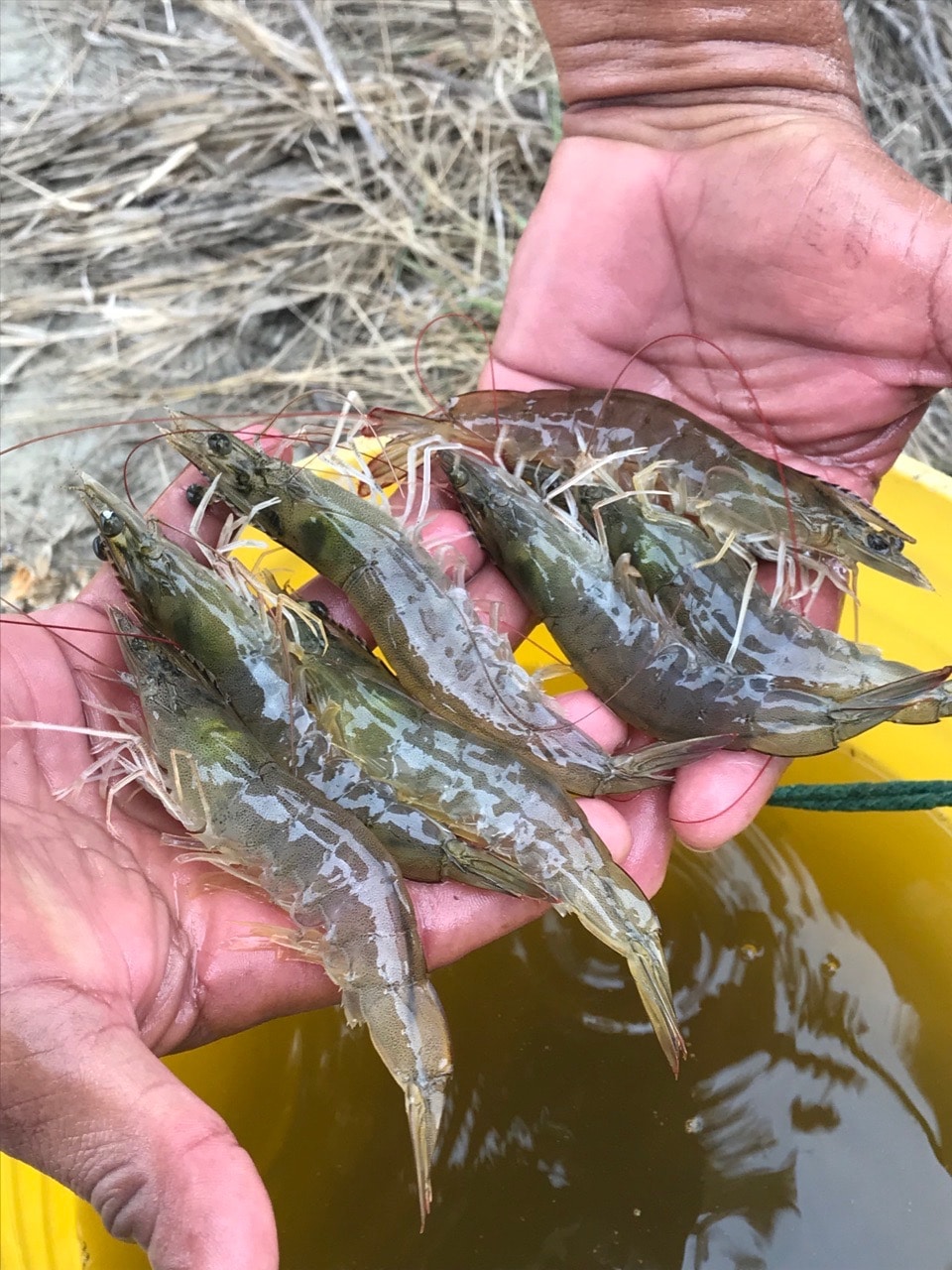 Shrimp is the second-most valuable seafood product after salmon. Nearly 8 million tons are produced annually, 5 million of which come from aquaculture. By 2030, this production is expected to double.
The main species sold is the white-legged shrimp, Penaeus vannamei. This species is native to the eastern Pacific coast of Sonora, from Mexico in the north, through Central America, down to Tumbes in Peru.
One of the major challenges of this production is the destruction of mangroves to build shrimp ponds. Mangroves are among the most productive ecosystems on the planet and act as a true carbon sink. By providing habitat for numerous animal species, they contribute significantly to aquatic production. Due to their coastal location, mangroves protect shorelines from waves and wind-driven erosion; they trap sediments flowing from the uplands, which helps protect coastal reefs and reduces water turbidity. They are therefore of vital importance both regionally and globally.
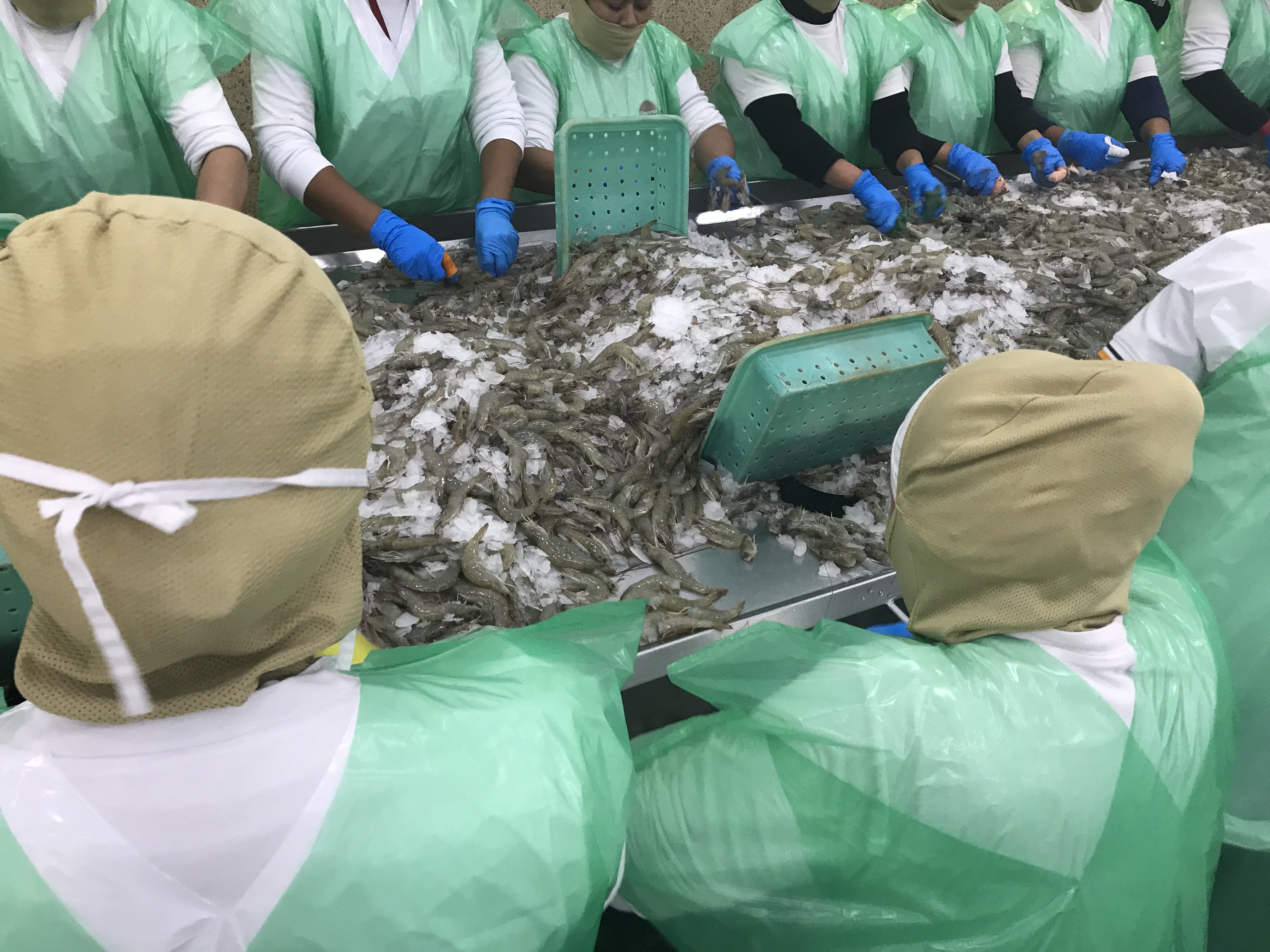
Compounding this issue are other harmful environmental effects, such as the salinization of groundwater and agricultural land, as well as the pollution of coastal waters caused by effluents and waste from abandoned farms. For the aquaculture criteria of the Mr.Goodfish program, it is important to assess the impact of introducing non-native species as well as the overfishing of forage fish for the production of fish meal and fish oil used to feed farmed shrimp.
From a social perspective, the privatization of spaces makes access to certain areas impossible for local populations, for fishing, for example. For workers who depend on this industry for their livelihood, securing stable employment contracts is also a major challenge.
Given the interesting synergies between Mr.Goodfish and Earthworm, it was clear that we should work together on these environmental and social issues, as well as on the traceability of the highly complex supply chains in this industry. Building on the specifications that Mr.Goodfish developed for farmed shrimp in Madagascar, it was necessary to create a version adapted to the production conditions of Ecuadorian Penaeus vannamei shrimp.
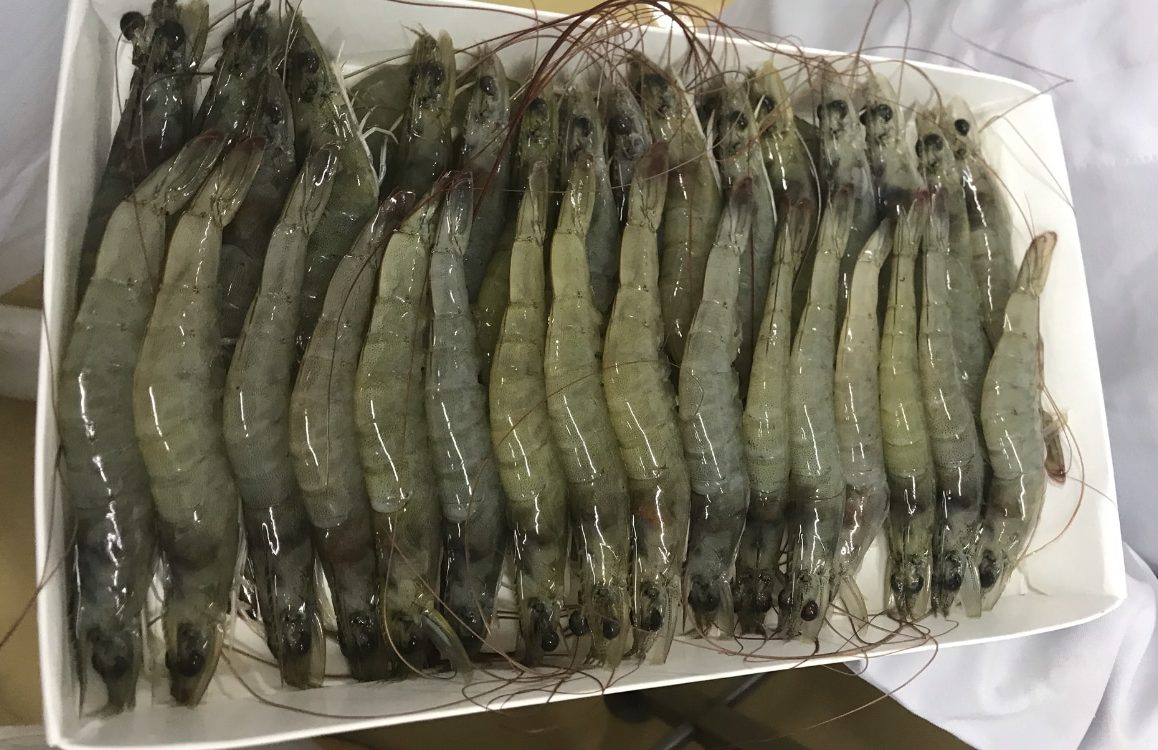
For two years, Mr.Goodfish and Earthworm will work together to develop specifications, identify pilot farms, and conduct tests at these facilities. The goal is to develop more sustainable aquaculture while supporting local producers through daily guidance from Earthworm Ecuador’s teams. Once this initial phase is complete, the specifications can be applied on a larger scale by other producers and in other Latin American countries. French distributors will thus be able to guarantee environmental and social quality to consumers for products sourced from this region.