As we know, human activities have a real impact on the climate; we are entering an era of global change, and the species that inhabit the planet will have to adapt. But what about the effect of global warming on fishery resources?
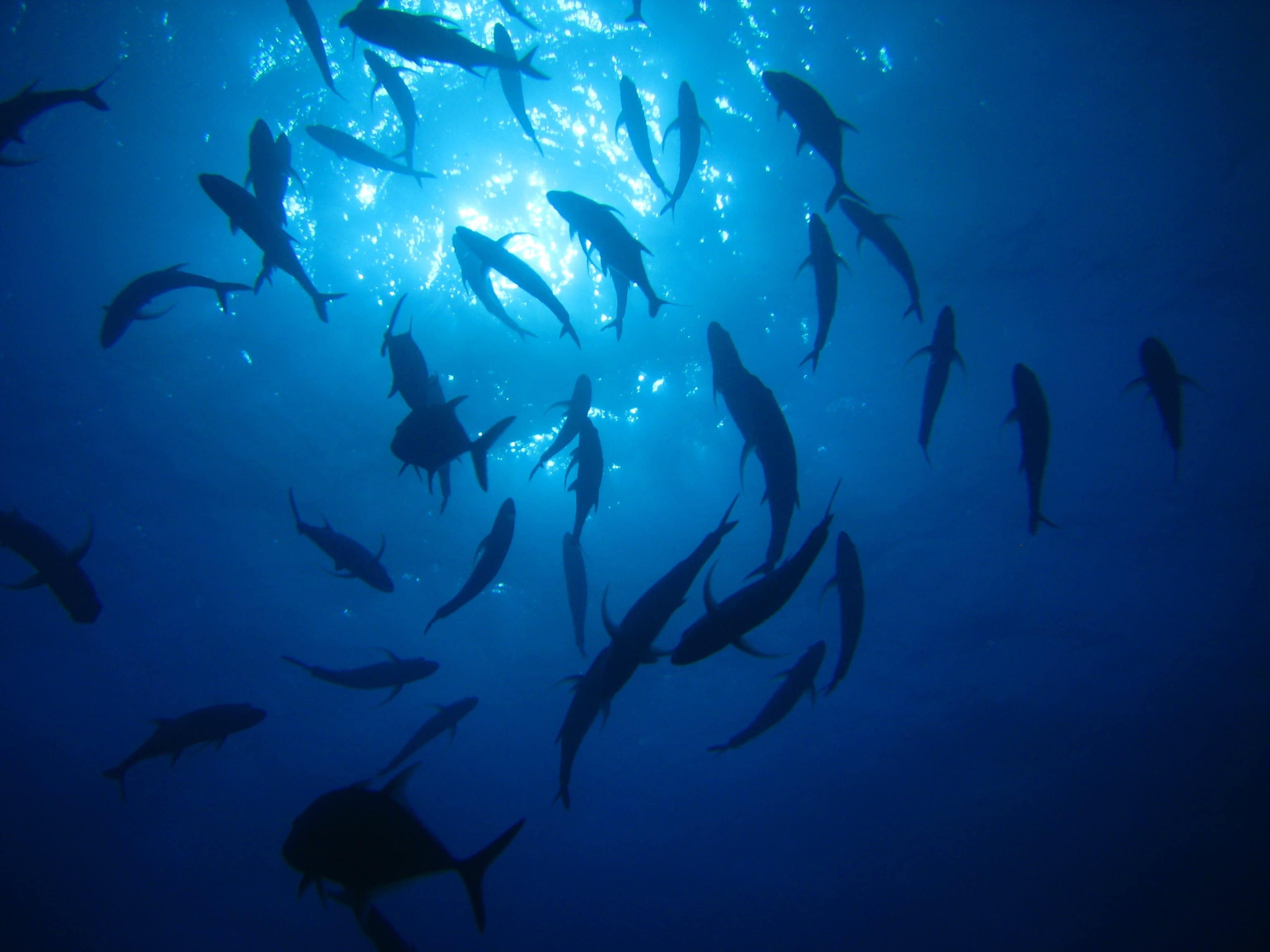 One of the consequences of global warming is the alteration of marine ecosystems. Indeed, this phenomenon affects water temperature, oxygen levels, and the pH of the oceans. These changes have a direct impact on the organisms inhabiting these environments (growth, respiration, life cycle, etc.) and an indirect one (prey-predator relationships, habitat changes). By altering the physical and chemical parameters of the oceans, the food chain and the productivity of all marine organisms—from phytoplankton to large predators—will be disrupted. These changes will affect the resilience of ecosystems, which refers to their ability to return to their original functioning after experiencing a disruption. The consequences of global warming will therefore soon become irreversible.
Findings have already been established. For the past fifty years, we have observed a shift in the seasons, with spring and summer arriving more than four days earlier on average per decade. We are also seeing certain marine species moving as far as 1,000 kilometers northward (Poloczanska, 2014[1]). These migrations in the marine environment are occurring more rapidly than on land. Marine fish and invertebrates are thus responding to ocean warming by migrating to higher latitudes and deeper waters.
In conjunction with climate change, natural phenomena such as the North Atlantic Oscillation are exacerbating these migrations; this refers to a variation in water temperature along a north-south axis in the North Atlantic. Currently in a warming phase, it is contributing to a decline in the number of cold-water species.
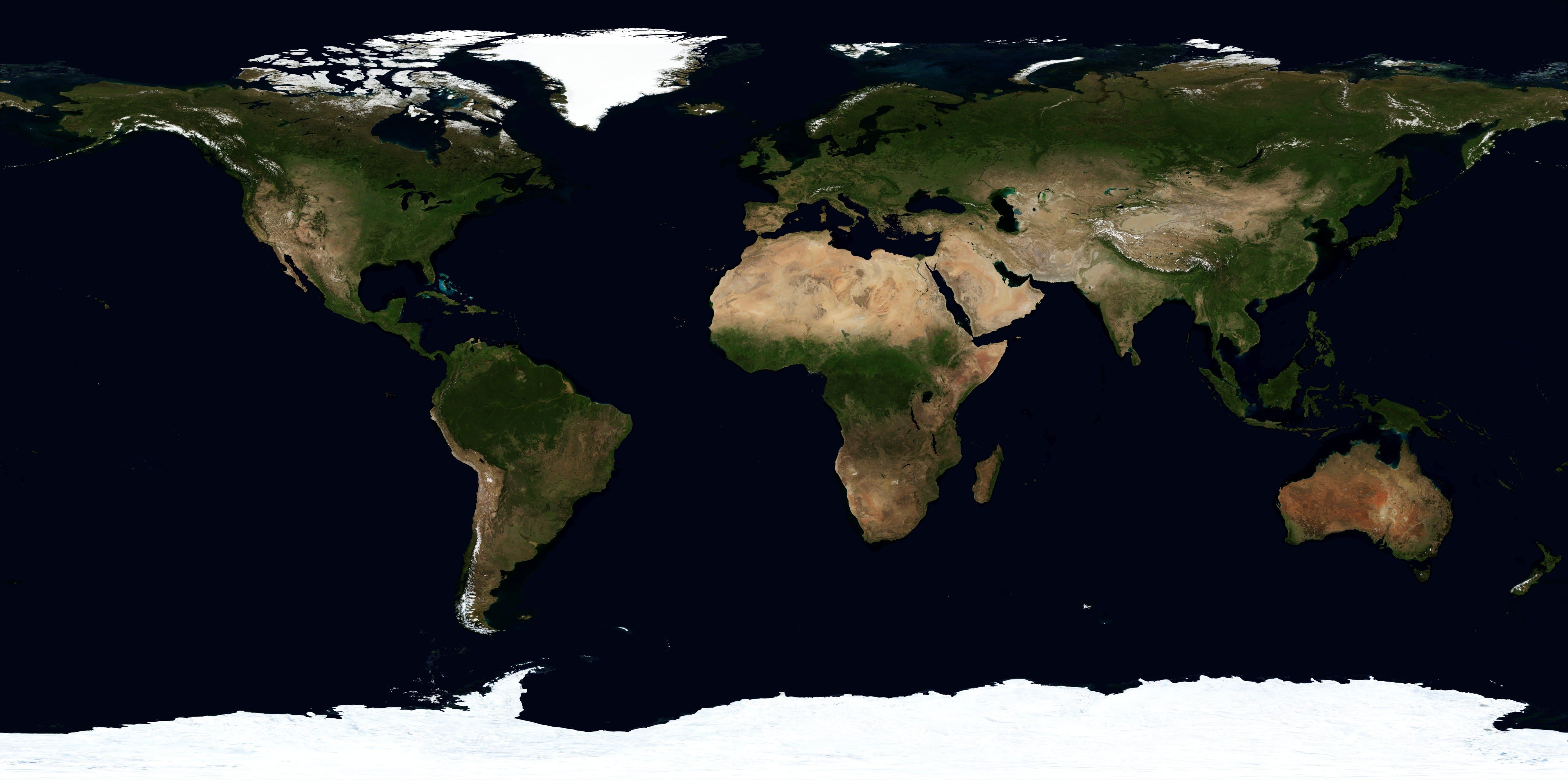
According to various models, for fished species, a new distribution could emerge between high latitudes—which would see a 30–70% increase in catch capacity—and tropical regions, which would experience a decline of up to 40% (Cheung et al., 2009)[2]. For example, by 2055, the EEZs[3] of Norway, Greenland, Alaska in the United States, and Russia could see a sharp increase in landings, whereas regions such as the EEZs of Indonesia, Chile, and China would experience a decline. On a social level, particularly within the fishing industry, global warming could widen disparities between different regions of the world.
How can we limit the effects of global warming on fishery resources?
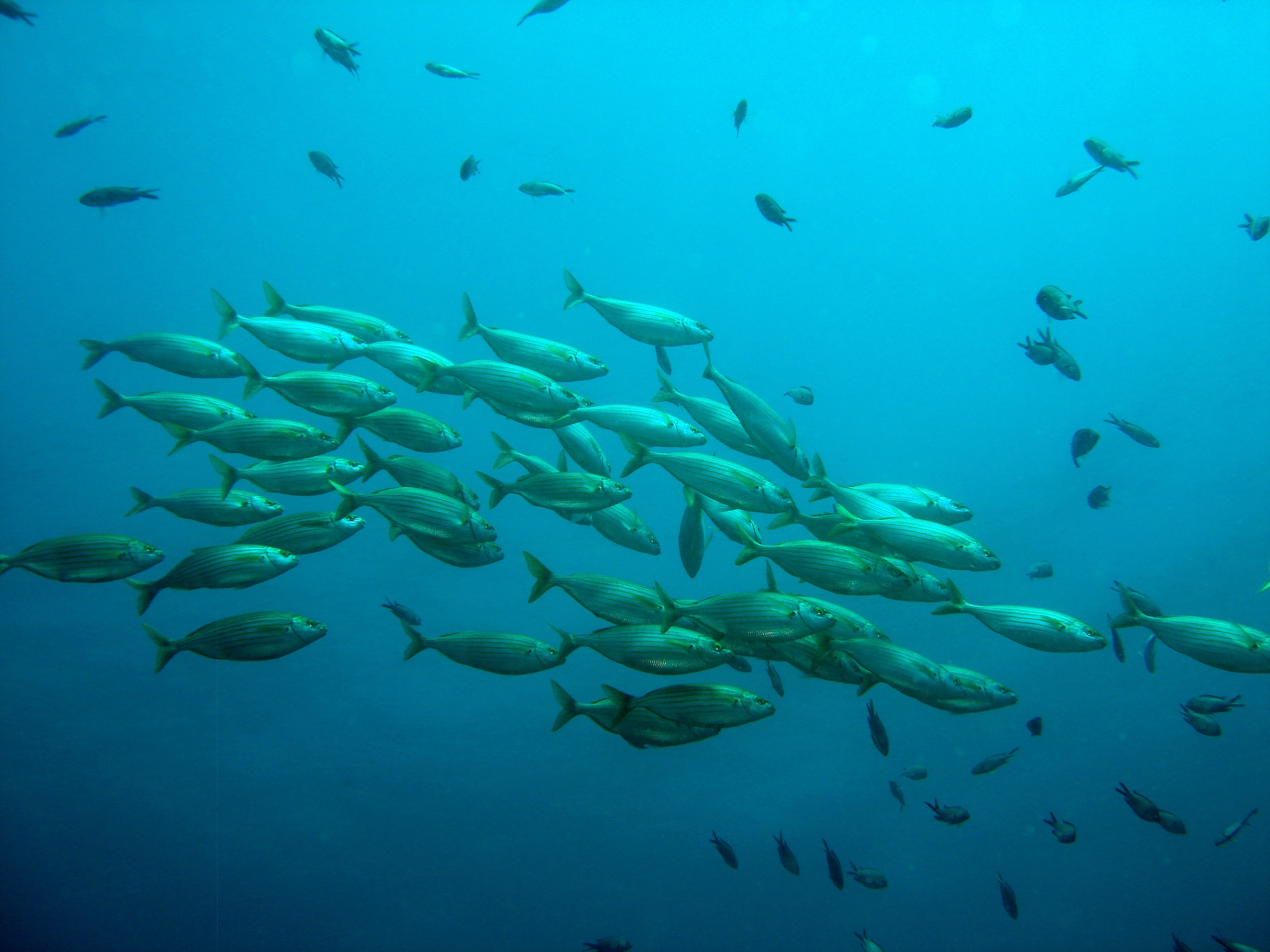 It is clear that we must avoid the overfishing of stocks, which, combined with global warming, is an aggravating factor for the preservation of biodiversity. The future lies in an ecosystem-based approach to fisheries management. This approach provides a comprehensive view of the ecosystem in which a variety of species and activities coexist, taking into account parameters such as: the status of stocks, interactions between species, physico-chemical conditions, and governance. Its goal is to preserve biodiversity while enabling the economic development of the sectors involved.
Many studies still need to be conducted, particularly on how species adapt to these rapid changes.
Find the complete fact sheet on the Ocean and Climate platform here.
[1] POLOCZANSKA E. S., HOEGH-GULDBERG O., CHEUNG W., PÖRTNER H.-O., and BURROWS M., 2014 – Cross-Chapter Box on Observed Global Responses of Marine Biogeography, Abundance, and Phenology to Climate Change. In Climate Change 2014: Impacts, Adaptation, and Vulnerability. Part A: Global and Sectoral Aspects. Contribution of Working Group II to the Fifth Assessment Report of the Intergovernmental Panel on Climate Change, Cambridge University Press
[2] Cheung, W. W. L., Dunne, J., Sarmiento, J. L., and Pauly, D. 2011. Integrating ecophysiology and plankton dynamics into projected maximum fisheries catch potential under climate change in the Northeast Atlantic. – ICES Journal of Marine Science, 68: 1008–1018
[3] The EEZ is a strip of sea or ocean located between territorial waters and international waters, over which a coastal state (sometimes several states in the case of shared management agreements) has exclusive rights to exploit resources.