A spider you can eat?
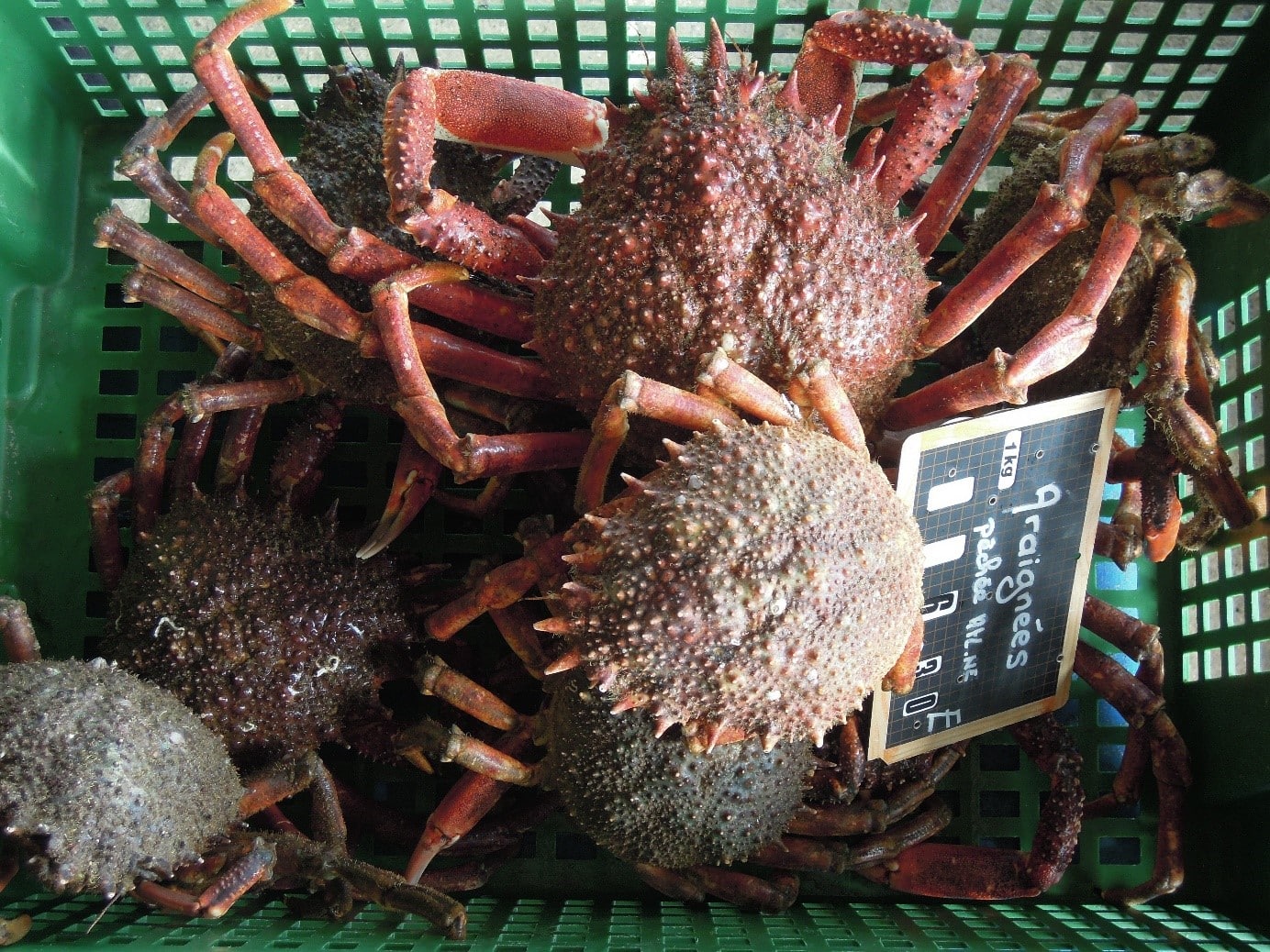
At first glance, crabs from the Majidae family may seem far less appetizing than their cousins, the lobsters or rock crabs, but don’t be fooled—these tough-looking crustaceans are just as tasty, if not more refined.
The Maja genus includes many species, but Maja brachydactyla and Maja squinado are the most commonly found along our coastlines—the English Channel/North Sea, Brittany/Atlantic, and Mediterranean, respectively. They are primarily caught using traps and gillnets.
This crustacean particularly favors soft seabeds. These feeding grounds are generally well-identified. This species reaches sexual maturity following its final molt; at this stage of their life cycle, the now-adult individuals migrate to deeper waters to spend the winter.
Although still relatively unknown to consumers, the spider crab is one of the most commonly landed crustacean species on the French coast; France is the world’s leading spider crab fishing nation!
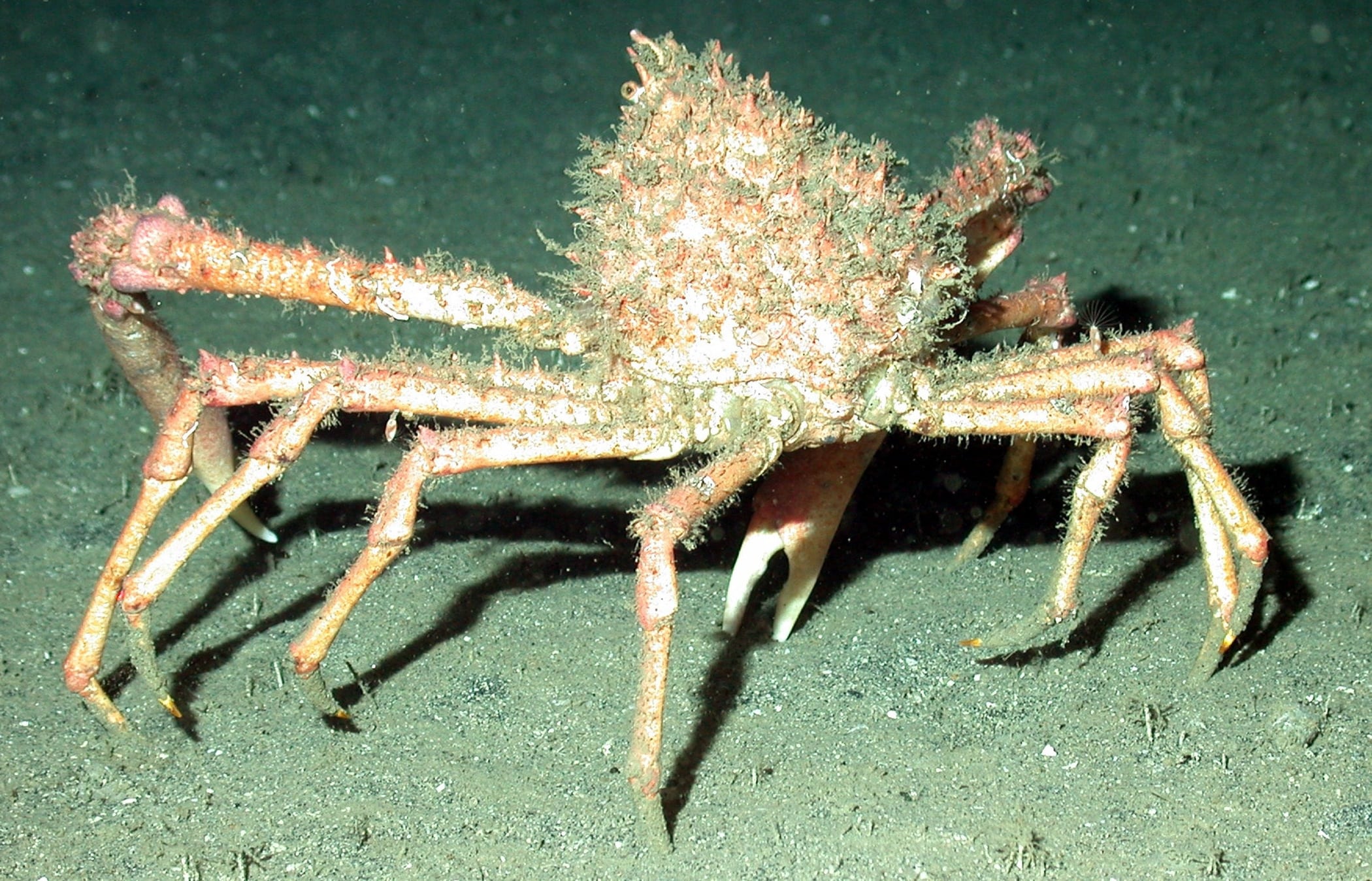
This spider crab is a very good economic alternative to edible crabs and lobsters, for which demand is growing, particularly during the holiday season. Thanks to its impressive size (16 cm), this crustacean is sure to take pride of place on your seafood platter.
Its spiny exoskeleton helps it camouflage itself from potential predators by attaching whatever it finds around it (seaweed, etc.).
Did you know?
Unlike other large crustaceans, the spider crab’s shell remains hard during mating.