In recent years, the way people consume seaweed has changed: whereas it used to be focused mainly on exotic dishes like sushi, salads, and miso soup, it is now available in a variety of forms.
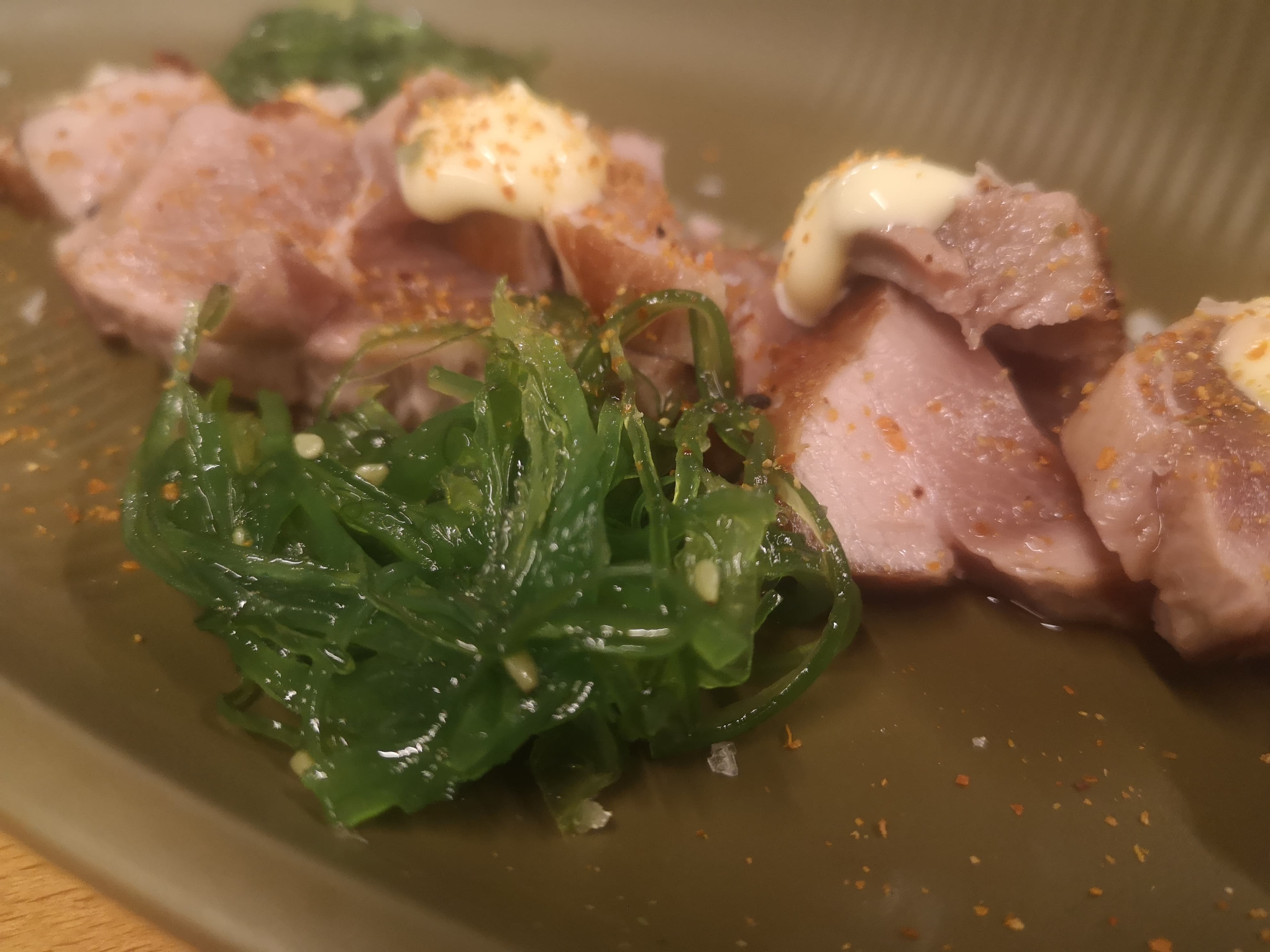
During a meal, the best times to enjoy seaweed seem to be as an appetizer, a starter, or even as a side dish with the main course: As chips, sprinkled with sesame seeds, seaweed surprises with its flavor and crunchy texture; the taste of seaweed is also highly appreciated in rillettes, where it is found in flake form. As a main course, it is mainly found in salads and pasta dishes: kombu pasta, dulse pasta. For dessert, ice cream can be made with seaweed for its gelling properties.
 In addition to acting as a gelling agent, seaweed—both macroalgae and microalgae—possesses thickening and stabilizing properties, increases viscosity, and rapidly absorbs water. For this last property, kelp is primarily used in dehydrated products.
What motivates consumers to try seaweed?
Seaweed is “good for your health,” with numerous nutritional benefits: it is rich in magnesium, vitamins (including Vit A, Vit B [1, 2, 3, 6, 12], Vit C, and Vit E), protein, and trace minerals. It is also very low in calories. It provides energy, strength, stress relief, and antioxidant benefits, among others. Rich in antioxidants (including carotenoids) and fiber, eating seaweed in moderation may also reduce the risk of cardiovascular disease, high blood pressure, and other conditions.
With a low carbon footprint, this unique and eco-friendly food also benefits from the sea’s positive image: since the sea is synonymous with vacations, all seafood is considered healthy and associated with well-being.

Through the ValgOrize project, the Mr.Goodfish program and Nausicaa are partnering with the entire seaweed industry—and especially with restaurant chefs—to teach you how to cook and enjoy them.