Whether served as tartare, in a salad, or as sushi, seaweed is becoming an increasingly common part of our diet. Although highly prized in Asian countries, it is rarely consumed in Europe.
In the marine environment, there are two main categories of seaweed: microalgae, which are microscopic in size and invisible to the naked eye, and macroalgae, which include all other species, including those found along our coasts. Currently, both types are consumed by humans, but where do they come from?
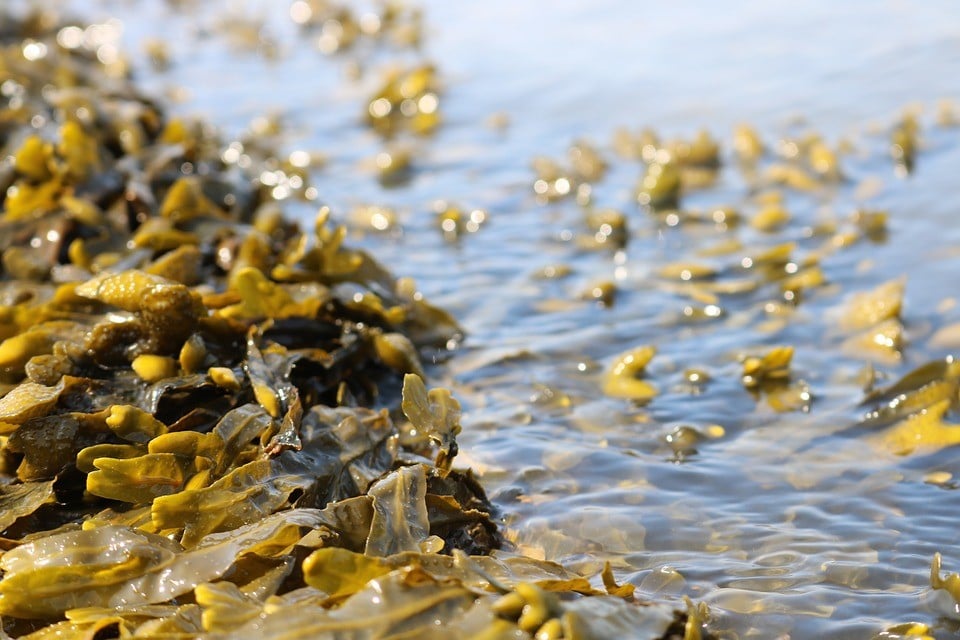
For macroalgae, there are two sources: wild-harvested and farmed. Today, only 10% of global seaweed production is harvested from the sea, from marine beds.
This harvesting is subject to regulations based on the size of the holdfasts (i.e., the size of the base of the seaweed) and the harvest period. Some species of macroalgae are cultivated in open-air ponds or in the open sea.
For microalgae, cultivation takes place exclusively in ponds where water parameters (temperature, pH, oxygen, light, etc.) allow for rapid and significant growth.
Today, the main seaweeds used for human consumption in France are:
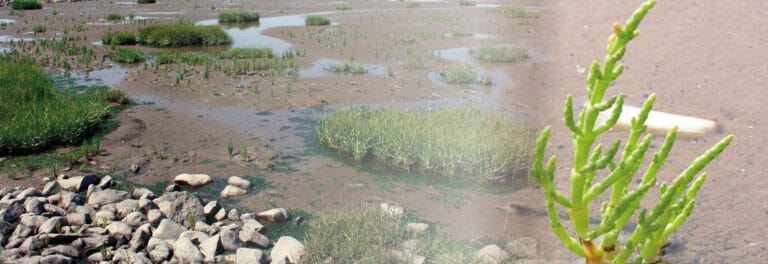
Brown seaweeds, including sea beans, sea spaghetti (Himanthalia elongata), and nori (Porphyra sp.), as well as wakame (Undaria pinnatifida)
Green algae such as sea lettuce or ulva (Ulva sp.)
Red algae including dulse (Palmaria palmata) and royal kombu (Saccharina latissima)
Currently, human consumption is one of the best-known uses for seaweed, but there are many others: livestock feed, agriculture, the cosmetics and pharmaceutical industries, biofuels, etc…
You can find all of these seaweeds in Mr.Goodfish’s fall recommendations.