Scientists consider the Mediterranean Sea to be an inland sea, that is, a sea surrounded by land, with a natural opening to the Atlantic Ocean via the Strait of Gibraltar. It is characterized by complex marine geology, a diverse array of species, and a rich maritime history. In France, all these factors have implications for the management of commercial fishing along this coastline.
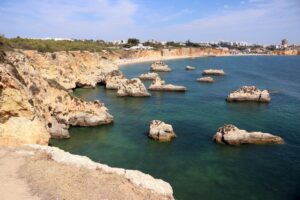
The French Mediterranean coastline stretches over 900 km from Spain to Italy. The maritime history of these regions has always been a key factor in the development of these coastlines. Fishing, conquests, trade, and other activities have shaped these territories over time. In recent years, tourism linked to recreational fishing has become a key driver of economic growth in the Mediterranean Sea.
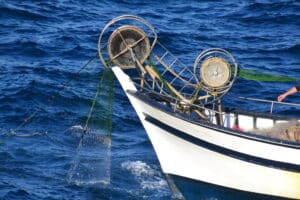
Today, in this region, commercial fishing is represented by several fleets that can be distinguished based on vessel size and the techniques used:
- Tuna seiners: vessels ranging from 25 to over 40 meters in length, primarily targeting bluefin tuna
- Trawlers: vessels ranging from 18 to 25 meters in length that use bottom or pelagic trawls depending on the target species
- Small-scale fishing vessels: vessels under 18 meters in length using techniques that vary depending on the season and target species, such as gillnets, traps, pots, longlines, etc.
In France: Some figures on commercial fishing in the Mediterranean:
- 1,340 commercial fishing vessels registered with the FPC – Community Fishing Fleet
- Over 2,000 fishing crew members employed on French vessels in 2017
- 4 fish auctions: Port-la-Nouvelle, Sète, Agde, and Le Grau-du-Roi (France AGRIMER 2020):
– Sales value (thousands of euros): 36,317
– Quantities sold (tons): 7,641
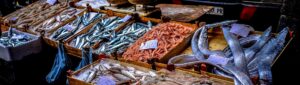
For fish wholesalers and restaurateurs, the Mediterranean is known for its wide variety of species, including whitefish, bluefish, cephalopods, crustaceans, and shellfish. With over 270 species landed, a decision was made in 2019 to implement a five-year multi-year management plan; currently, only six species are subject to close monitoring: European hake, red mullet, red shrimp, deep-sea pink shrimp, red gambon, and Norway lobster.
Did you know: Fisheries management in the Mediterranean Sea?
With a coastline shared by more than 20 countries, it has been necessary to establish regulations at multiple levels: international, European, national, regional, and local.
At the international level, various bodies are involved. The General Fisheries Commission for the Mediterranean (GFCM) is an organization comprising 23 member countries dedicated to managing fishery resources in the waters of the Mediterranean Sea. Another example is ICCAT—the International Commission for the Conservation of Atlantic Tunas. This intergovernmental organization aims to promote responsible fishing for tuna and related species in the Atlantic Ocean and its adjacent seas.
The European Commission is responsible for developing and implementing the Common Fisheries Policy (CFP) in European waters (including the Mediterranean). Since 2019, a multiannual plan for fisheries targeting demersal stocks in the western Mediterranean has been in place. The objective of this agreement is conservation and sustainable exploitation, with the aim of achieving maximum sustainable yield[1] by January 1, 2025, at the latest. Various management measures have been implemented or put in place, such as: reducing the number of fishing days, reducing fishing effort, etc.
In France, the National Committee for Marine Fisheries and Aquaculture (CNPMEM) is an organization involved in the management of fishery resources by advocating for professional fishermen before various national and European bodies. The CNPMEM or the CRPMEMs, which are regional branches, work jointly with the fishing industry to promote responsible fishing. They participate in the implementation of management measures at the national level but can also encourage professional fishermen to establish regional regulations.
Locally, there are structures specific to the Mediterranean Sea: the Prud’homies. Historically, these institutions have been in existence since the 15th century, and their powers have evolved over time. Today, the Prud’homies are located along the entire coastline from Port-Vendres to Menton, including Corsica. Their purpose is to help manage the resources of a given area while ensuring the sustainability of the industry. They have regulatory and disciplinary authority to resolve conflicts and maintain unity in the region.
The Mediterranean Sea is a complex region with a coastline rich in environmental, social, and economic diversity. These factors are reflected in the organization of commercial fishing, featuring:
- A variety of species
- Coexistence with numerous economic activities
- Fleets ranging from small-scale fishing to 40-meter vessels
- Multi-level fisheries management
All these unique characteristics make the Mediterranean Sea a one-of-a-kind place, rich in resources that must be protected.
[1] 1 Maximum Sustainable Yield (MSY) is the largest quantity of catch that can be harvested from a fish stock over the long term and on average, under existing (average) environmental conditions, without significantly affecting the reproductive process [FAO definition].